
.jpeg)
Detailed interpretation of the instructions for use of mirikizumab
Milikizumab (Mirikizumab) is a biologic agent that targets inflammatory pathways and has received widespread attention in the field of inflammatory bowel disease in recent years. By precisely regulating the immune response, the drug aims to improve the chronic inflammatory state of the intestine and provide a new treatment option for moderate to severe patients.
1. Description of indication scope
From the drug classification point of view, militizumab is an interleukin-23 (IL-23) antagonist and is mainly used for the systemic treatment of adult inflammatory bowel disease. Specific indications include:
1) For adult patients with moderately to severely active ulcerative colitis (UC), especially those with high disease activity and unsatisfactory response to conventional treatments;
2) It is suitable for adult patients with moderately to severely active Crohn's disease (CD) as part of a long-term disease management plan.
The above indications are all based on its regulatory effect on intestinal immune-inflammatory pathways, rather than simply relieving short-term symptoms.
2. Pre-treatment assessment and medication preparation
Before officially initiating militizumab treatment, a standardized evaluation process is particularly important. In clinical practice, patients are usually screened for risk of tuberculosis infection to rule out active or latent tuberculosis. At the same time, it is also necessary to detect liver function-related indicators, including liver enzyme and bilirubin levels, to evaluate the body's tolerance to biological agents.
In addition, current immunization principles should be combined to confirm whether the patient has completed necessary vaccinations to reduce the risk of infectious complications during treatment.
3. Recommended usage and dosage plan
The treatment rhythm of militizumab is usually divided into an induction phase and a maintenance phase, and there are differences in dosage settings for different disease types.
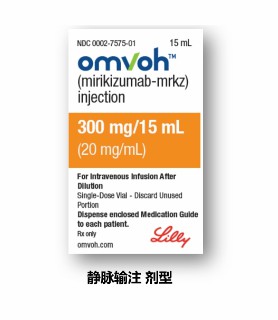
1) Dosing schedule for ulcerative colitis: The induction treatment phase is usually completed by intravenous infusion, with a starting dose of 300mg each time. The dosing schedule is distributed at multiple time points in the early stage of treatment, with administration at 0, 4 and 8 weeks to help establish the immune regulatory effect as soon as possible. After entering the maintenance phase, that is, at the 12th week, the dosage is 200 mg each time, and the administration method is adjusted to subcutaneous injection (two consecutive injections, 100 mg each time), and it is continued to be used in a fixed cycle (administration once every 4 weeks) to maintain the stability of the condition.
2) Dosing schedule for Crohn's disease: Patients with Crohn's disease receive a relatively higher single dose of 900 mg each time during the induction phase, and the infusion time is also extended accordingly, with administration at weeks 0, 4, and 8 to meet the characteristics of a wider range of inflammation and a more complex course of the disease. During the maintenance phase, 300 mg is given as a subcutaneous injection at regular intervals at week 12 and every 4 weeks thereafter (100 mg and 200 mg may be given sequentially in any order).
4. Key points of drug administration and operation
Intravenous infusion of militizumab must be completed by professionals in medical institutions and strict aseptic procedures must be followed. Each bottle of preparation is for one-time use and cannot be reused. During the subcutaneous injection stage, a prefilled injection device is usually required. The injection site can be the abdomen, thigh, or back of the upper arm. It is recommended to rotate different locations to avoid repeated irritation of the local skin. Areas with erythema, congestion, induration, or soft tissue damage are not suitable for injection. Injections into the back of the upper arm usually require assistance from others.
5. Principles for handling missed doses
If the patient fails to take medication as scheduled due to objective reasons, the missed dose should be taken up as soon as possible. After the replenishment is completed, the original dosing cycle can be resumed without restarting the complete induction process. Specific adjustments still need to be carried out in accordance with the doctor's instructions.
6. Overview of adverse reactions
From an overall observation, the types of adverse reactions that may occur with militizumab at different treatment stages are different. Common manifestations during the induction phase include upper respiratory tract infection and joint discomfort; after entering maintenance treatment, some patients may experience injection site reactions, rashes, headaches, or herpes virus-related infections. Most reactions are relatively controllable but require regular follow-up monitoring.
7. Drug supply form and storage requirements
Milizumab is a sterile, preservative-free injectable preparation, mostly clear or slightly milky in appearance. Medicines must be refrigerated and stored at 2°C to 8°C, and freezing is strictly prohibited. If frozen, do not continue to use it even after thawing. Avoid shaking vigorously before use and try to keep it in the original packaging to reduce the impact of light. Under special circumstances, prefilled injection devices can be stored for a short period of time at room temperature not higher than 30°C, but the time must not exceed two weeks, and they cannot be returned to the refrigerator again.
8. Mechanism of action and treatment principle
From an immunological perspective, Milizumab is a humanizedIgG4 monoclonal antibody that can specifically recognize and bind to the p19 subunit of the IL-23 cytokine, thereby blocking its interaction with the receptor. IL-23 plays a key role in the maintenance and amplification of intestinal mucosal inflammation. Inhibiting this pathway helps reduce the release of pro-inflammatory cytokines and chemokines, improve the intestinal inflammatory microenvironment, and thereby achieve disease control goals.
Keyword tags: Milizumab, Omvoh, IL-23 antagonists, ulcerative colitis treatment, Crohn's disease medication, biologic dosing regimen, inflammatory bowel disease management
Reference: https://www.ema.europa.eu/en/documents/product-information/omvoh-epar-product-information_en.pdf
[ 免责声明 ] 本页面内容来自公开渠道(如FDA官网、Drugs官网、原研药厂官网等),仅供持有医疗专业资质的人员用于医学药学研究参考,不构成任何治疗建议或药品推荐。所涉药品可能未在中国大陆获批上市,不适用于中国境内销售和使用。如需治疗,请咨询正规医疗机构。本站不提供药品销售或代购服务。


