
.jpeg)
Detailed description of the usage and dosage of vosoritide and the clinical medication regimen for patients of different ages and weights
Vosoritide is a new recombinant protein drug used to treat osteogenesis imperfecta (achondroplasia). It promotes cartilage growth and improves bone development by targeting and inhibiting the overactive FGFR3 signaling pathway. The drug is administered mainly by subcutaneous injection and is suitable for children with growth restriction. Standardized usage and dosage and individualized dose adjustment are the keys to ensuring efficacy and safety.
In standard clinical protocols, vorsolitide is usually administered as a once-daily subcutaneous injection, with the recommended starting dose being 15 μg/kg once a day. Drugs should be administered at the same time period to maintain relatively stable blood concentrations. Injection sites can be alternated on the abdomen, forearm, or thigh to reduce local irritation. Parents or patients need to receive professional training before use and master injection techniques, dosage calculations and medicine storage precautions to ensure that the medicine can work accurately and stably.
Patients of different ages and weights require individualized adjustments in dosage design. For children 2 to 18 years old, the daily dose is usually calculated based on body weight; the dose should be reassessed regularly during weight changes or growth to ensure that drug exposure is within a safe and effective range. For younger or lower-weight children, you can start at the lower limit of the recommended dose and gradually adjust after observing tolerance. Children with rapid weight gain need to increase the dosage in time according to weight changes to maintain the drug efficacy and growth-promoting effect.
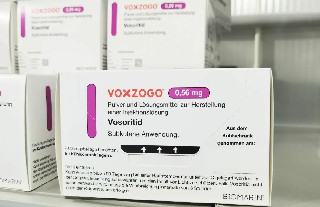
In clinical practice, vorsolitide is generally well tolerated, but attention still needs to be paid to common adverse events such as injection site reactions, mild hypotension, headache, and joint pain. During long-term treatment, it is recommended to regularly monitor blood pressure, bone age and growth rate, and adjust the treatment plan based on the doctor's assessment of changes in height SDS (standard deviation score). Some patients may experience slight weight gain or changes in appetite in the early stages of treatment, but most symptoms resolve spontaneously and do not affect continued medication.
In terms of joint management, vorsolitide treatment should be combined with overall health management, such as reasonable diet, moderate exercise, and bone function rehabilitation training. For children with severe skeletal deformities or accompanying diseases, the treatment plan should be adjusted under the guidance of a specialist. When drugs are used at home, cold chain storage requirements must be strictly followed to avoid high temperatures or freezing, and prevent children from accidentally touching them to ensure drug quality and safety.
In general, the usage and dosage of vosoritide (vosoritide) in children with osteogenesis imperfecta emphasizes individualization and continuous monitoring. Daily fixed-dose subcutaneous injections, weight-adjusted doses, and regular clinical evaluation can maximize drug efficacy, improve growth rates, and maintain good tolerability over long-term use. Combining comprehensive family and clinical management, Vosolitide provides children with a scientific, effective and sustainable treatment plan, providing an important guarantee for improving their growth, development and quality of life.
Keyword tag:
Achondroplasia, growth promotion,FGFR3inhibitors, clinical trials, side effect management, height improvement, long-term safety, formal drug purchase channels
Reference materials:https://pubmed.ncbi.nlm.nih.gov/34694597/
[ 免责声明 ] 本页面内容来自公开渠道(如FDA官网、Drugs官网、原研药厂官网等),仅供持有医疗专业资质的人员用于医学药学研究参考,不构成任何治疗建议或药品推荐。所涉药品可能未在中国大陆获批上市,不适用于中国境内销售和使用。如需治疗,请咨询正规医疗机构。本站不提供药品销售或代购服务。


