
.jpeg)
How to take tovorafenib tablets correctly and the dosage, taking time and precautions
Tovorafenib is a new oral multi-target tyrosine kinase inhibitor mainly used to treat advanced solid tumors positive for specific gene mutations. The drug exerts anti-tumor effects by inhibiting RAF kinase and other related signaling pathways, blocking tumor cell proliferation and survival signals. In clinical use, standardized taking methods and dosage management are of key significance to drug efficacy and safety.
In terms of standard dosage, the starting dose of tovorafenib tablets is usually determined based on the patient's weight, liver and kidney function, and combined medication. The routine starting dose for adults is oral administration once a day. Each dose must be taken strictly in accordance with the doctor's instructions and cannot be increased or decreased at will. In the early stages of treatment, doctors may choose to start with a low dose and gradually adjust the dose after observing the patient's tolerance to reduce the occurrence of adverse reactions. Children or patients of special weight need individualized dose calculations based on body surface area or body weight to ensure drug exposure is within a safe and effective range.
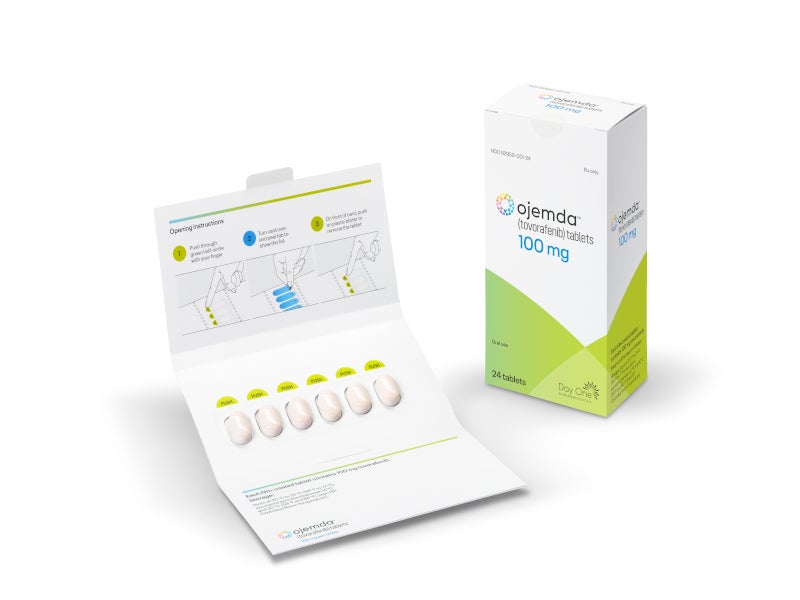
The time and method of taking medication also have an important impact on drug absorption and efficacy. Tovorafenib tablets are recommended to be taken orally once a day at a fixed time. It can be taken with food or on an empty stomach. However, the taking time must be consistent every day to maintain stable blood concentration. If you miss a dose, you should take it as soon as possible, but avoid taking multiple tablets at once to avoid adverse reactions. During medication, patients need to avoid concurrent use with certain drugs that may affect CYP450 enzyme activity, because these drugs may change the plasma concentration of toborafenib, thereby affecting the efficacy or increasing toxicity.
In terms of precautions, the use of tovorafenib needs to be combined with clinical monitoring. Common adverse reactions include rash, diarrhea, abnormal liver function, changes in hematological indicators, and hypertension. Therefore, blood routine, liver and kidney function, and blood pressure need to be reviewed regularly during treatment. If moderate or severe side effects occur, the doctor should be informed promptly and the dose may be adjusted or the medication temporarily discontinued if necessary. In addition, patients should avoid use during pregnancy and lactation and take effective contraceptive measures during treatment. In terms of lifestyle, patients are advised to maintain a balanced diet, moderate exercise, and a regular schedule to enhance treatment tolerance and overall efficacy.
In general, tovorafenib (tovorafenib) The correct use of tablets must strictly follow the doctor's guidance, combined with individualized dosage, fixed time medication and regular monitoring, to ensure that the drug exerts its anti-tumor effect while minimizing the risk of adverse reactions. The combination of standardized medication, scientific management and patient education can significantly improve the clinical safety and efficacy of tovorafenib and provide a feasible treatment option for patients with advanced solid tumors.
Keyword tag:
RAFInhibitors, solid tumors, targeted therapy, dose adjustment, side effect management, drug withdrawal reactions, regular drug purchase channels, no generic drugs
Reference materials:https://go.drugbank.com/drugs/DB17356
[ 免责声明 ] 本页面内容来自公开渠道(如FDA官网、Drugs官网、原研药厂官网等),仅供持有医疗专业资质的人员用于医学药学研究参考,不构成任何治疗建议或药品推荐。所涉药品可能未在中国大陆获批上市,不适用于中国境内销售和使用。如需治疗,请咨询正规医疗机构。本站不提供药品销售或代购服务。


