
.jpeg)
Analysis of whether EIKANCE 0.01% Atropine Sulfate Eye Drops is safe for adults to use and precautions for use
0.01% Atropine Sulfate Eye Drops (EIKANCE) is a low-concentration atropine preparation mainly used to control the progression of myopia in children and adolescents. However, as the demand for myopia prevention and control expands, the safety and adaptability of this drug for adults have also attracted attention. Atropine blocks the eye's parasympathetic receptors and relaxes the ciliary muscles, thereby reducing accommodative axial stretching and delaying the progression of myopia. Although children and teenagers are mainly suitable for use, adults may also consider using it in some special circumstances, so it is important to understand its safety and precautions.
Adult use 0.01% Atropine sulfate eye drops are generally better tolerated than high-concentration atropine. Low-concentration preparations can significantly reduce side effects such as ciliary muscle spasm and mydriasis, and avoid obvious light sensitivity or blurred vision at close range. In the available clinical data, low-concentration atropine eye drops have not shown serious systemic toxic side effects in short-term use in adults. However, the accommodative ability of the eyeball and the elasticity of the lens have generally stabilized in adults, and myopia progression is much slower than in children and adolescents, so the efficacy of drugs may be limited.
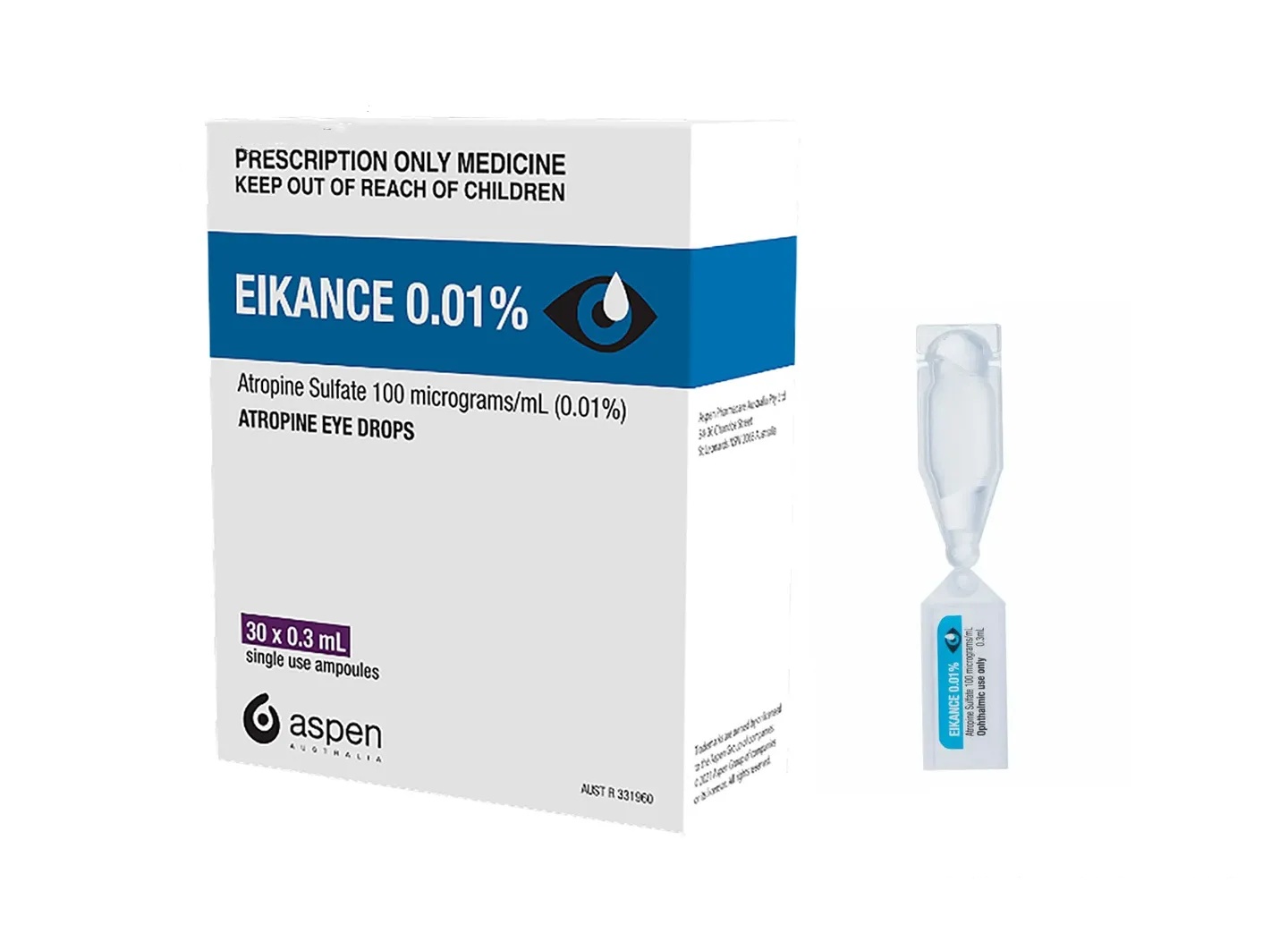
In terms of usage precautions, adults still need to follow strict eye-dropping methods and medication frequency. Wash your hands before each use and avoid contact of the eye drops with eyelids or eyelashes to reduce the risk of infection. After instilling eye drops, you should close your eyes for a moment and gently press the lacrimal sac to reduce the flow of medicine into the tear duct and lead to systemic absorption. In addition, since atropine may cause mild pupil dilation and decreased accommodation ability, you should avoid driving at night or operating precision machinery during use, and wear protective sunglasses to reduce light sensitivity problems.
In terms of long-term use, adults still need to pay attention to eye and systemic safety when using atropine. 0.01% Although low concentrations reduce systemic side effects, some patients may experience mild eye dryness, eye itching, or blurred vision at close range. During the chronic eye instillation process, intraocular pressure, visual acuity and slit lamp examinations should be performed regularly to detect potential corneal or lens problems in a timely manner. In addition, the use of atropine in adults is not a standard solution for controlling the progression of myopia, and its efficacy is different from that in children. Therefore, individual benefits need to be evaluated under the guidance of an ophthalmologist, and whether to use it long-term is determined based on treatment goals.
In general, 0.01% Atropine sulfate eye drops (EIKANCE) is generally safe when used in adults, but its efficacy may be limited. During use, you must strictly follow the eye-dropping method, pay attention to the risks of light sensitivity and blurred vision, and conduct regular eye examinations to monitor safety. Adult patients should use individualized medication under the guidance of professional doctors to evaluate expected efficacy and possible risks to achieve safe and reasonable myopia management. At the same time, comprehensive eye health measures should be combined, such as rational use of eyes, regular rest and outdoor activities, to improve overall visual health and ensure synergy between medication and lifestyle management.
Keyword tag:
Myopia prevention and control, children's myopia, atropine eye drops, axial control, side effect management, ophthalmic medication, long-term safety, medication guidance
Reference materials:https://www.fda.gov/drugs
[ 免责声明 ] 本页面内容来自公开渠道(如FDA官网、Drugs官网、原研药厂官网等),仅供持有医疗专业资质的人员用于医学药学研究参考,不构成任何治疗建议或药品推荐。所涉药品可能未在中国大陆获批上市,不适用于中国境内销售和使用。如需治疗,请咨询正规医疗机构。本站不提供药品销售或代购服务。


