
.jpeg)
Possible side effects of Daprodustat and key points for long-term safety risk monitoring
Daprodustat (Daprodustat) is an oral small-molecule hemepoietin stimulator (HIF-PHI), mainly used to treat anemia related to chronic kidney disease (CKD). It inhibits hypoxia-inducible factor prolyl hydroxylase (HIF-PH) and stabilizes the HIF-α subunit, thereby promoting the secretion of endogenous erythropoietin (EPO) and increasing hemoglobin levels. As a new oral therapeutic drug, daprostat has shown significant efficacy in improving anemia, but its potential side effects and long-term safety still require strict monitoring and evaluation.
Clinical trials and early use data indicate that dapinostat may cause a variety of side effects. The most common symptoms include increased blood pressure, headache, dizziness, nausea and joint pain. Increased blood pressure is a common reaction to the use of HIF-PHI drugs, which is particularly concerning in patients with chronic kidney disease. Some patients experience mild to moderate blood pressure fluctuations during medication. It is clinically recommended to manage this side effect by monitoring blood pressure and adjusting the dose of antihypertensive drugs as needed. In addition, some patients may experience an increased risk of thrombosis, which is related to a rapid increase in hemoglobin levels and changes in blood viscosity.
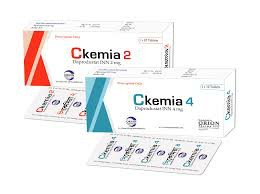
In terms of long-term safety, daprostat may have certain effects on the cardiovascular system, renal function and metabolic indicators. The potential risk of cardiovascular events, including myocardial infarction, stroke, or exacerbation of heart failure, requires careful attention during long-term follow-up. Patients with renal insufficiency have a higher risk of cardiovascular disease, so blood pressure, electrocardiogram, blood lipids, and hemoglobin levels should be monitored regularly during the use of daprostat. At the same time, some patients may develop abnormal iron metabolism or iron deficiency during long-term treatment, which requires dynamic monitoring and necessary iron supplementation intervention through indicators such as serum iron, ferritin, and transferrin saturation.
In addition to cardiovascular and blood system monitoring, liver function and eye safety are also aspects that need to be paid attention to during long-term use of daprestat. Although clinical data show a low incidence of severe liver function abnormalities, regular testing of liver function indicators is still recommended to prevent potential adverse liver reactions. In terms of eyes, the HIF signaling pathway is related to retinal angiogenesis. Long-term high doses or rapid rise in hemoglobin may increase the risk of retinopathy. Therefore, patients with diabetes or pre-existing retinopathy need regular eye examinations.
Overall, daprodustat (Daprodustat) has shown good efficacy in the treatment of anemia related to chronic kidney disease, but potential side effects include increased blood pressure, increased risk of blood clots, headaches and joint pain. Long-term safety risks mainly involve cardiovascular, renal function, iron metabolism, liver function and eye health. Clinically, the use of daporostat must strictly follow the principle of individualized dose adjustment, combined with routine blood pressure monitoring, hematology and biochemical indicators, electrocardiogram and necessary imaging examinations, and establish a systematic long-term follow-up and safety management plan to minimize risks and ensure that patients maintain overall health while improving anemia.
Keyword tag:
HIF-PHI, anemia in chronic kidney disease, erythropoiesis, side effect management, cardiovascular risk, liver function monitoring, drug interactions, long-term safety
Reference materials:https://www.drugs.com/international/daprodustat.html
[ 免责声明 ] 本页面内容来自公开渠道(如FDA官网、Drugs官网、原研药厂官网等),仅供持有医疗专业资质的人员用于医学药学研究参考,不构成任何治疗建议或药品推荐。所涉药品可能未在中国大陆获批上市,不适用于中国境内销售和使用。如需治疗,请咨询正规医疗机构。本站不提供药品销售或代购服务。


