
.jpeg)
Analysis of patients’ real experience feedback and long-term treatment impact after taking ribociclib (Kaillon) for two years
Ribociclib is an oral CDK4/6 inhibitor commonly used for hormone receptor-positive, HER2 -negative advanced or metastatic breast cancer. It inhibits the key cell cycle protein CDK4/6, thereby preventing tumor cells from entering the S phase from the G1 phase and delaying tumor proliferation. With the extension of clinical application time, more and more patients have accumulated experience in long-term use of ribociclib. The two-year experience and long-term treatment impact in the real world are worthy of in-depth discussion.
For most patients who have been taking it for more than two years, the biggest change brought about by ribociclib is the stabilization of their condition and the improvement of their quality of life. In the process of receiving ribociclib combined with endocrine therapy, many patients have observed positive signals such as decline in tumor markers and shrinkage of imaging lesions within the first few months. Some patients have reported that after two years of continuous medication, the tumor growth rate has been significantly slowed down, and even partial remission has been achieved. This "controlled effect" has alleviated daily symptoms such as fatigue and bone pain, allowing them to better participate in family and social activities, and their mental state has also been significantly improved.
Tolerability of long-term treatment is a common concern among patients. Compared with chemotherapy, the side effects of ribociclib are generally easier to manage, but some patients still face chronic low-grade adverse reactions during more than two years of treatment. The most common include fatigue, nausea, mild rash, and hematological changes such as neutropenia. In most patients on long-term medication, these reactions can usually be controlled through dose adjustment, short-term discontinuation of the medication, or supportive care and do not lead to treatment interruption. The experience of some patients is that "the initial fatigue is obviously lessened over time", which may be related to the body's adaptation to the drug mechanism and lifestyle adjustments.
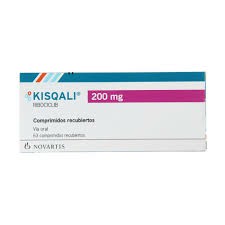
Another major aspect of long-term use of ribociclib is dependence on blood indicators and heart monitoring. Clinical guidelines require regular examination of blood routine, liver and kidney function, and electrocardiogram, especially during the initial period of medication and dose adjustment. Patients who have been taking it for two years generally believe that standardized monitoring can help detect potential problems in time and help reduce serious adverse events. Some patients experience mild liver function fluctuations or prolongation of the QT interval during long-term use. However, under the close monitoring of a doctor, the problem can usually be effectively managed by adjusting the dosage or extending the frequency of examinations without affecting the continuation of the overall treatment.
From the perspective of long-term effects, ribociclib not only shows stability in disease control, but is also believed by some patients to have improved their quality of life. Due to the characteristics of targeted therapy, it does not cause symptoms such as obvious hair loss, severe nausea or severe pain like traditional chemotherapy. Many patients say that they can "maintain a relatively normal pace of life." Of course, there are also a small number of patients who experience chronic fatigue or mild heart-related discomfort, which suggests that long-term drug users still need continued medical evaluation and individualized management.
In general, real experience feedback from ribociclib use over two years shows the following characteristics: first, stable tumor control and improved quality of life; second, controllable side effects, and most patients can tolerate it for a long time through monitoring and supportive treatment; third, regular examinations have become the norm during the treatment process, which not only helps safety assessment, but also helps patients build confidence in disease management. For patients considering ribociclib for the first time, understanding these long-term drug experiences can help to set reasonable expectations and maintain good communication with the medical team during the treatment process to optimize efficacy and reduce risks. The impact assessment of long-term treatment also reminds patients to pay attention to overall health management in addition to medication, such as reasonable diet, moderate exercise and psychological support, so as to achieve dual improvement of disease control and quality of life.
Keyword tag:
CDK4/6Inhibitors, breast cancer, targeted therapy, dosage regimen, side effect management, quality of life, long-term medication, electrocardiogram monitoring, routine blood monitoring
Reference materials:https://go.drugbank.com/drugs/DB11730
[ 免责声明 ] 本页面内容来自公开渠道(如FDA官网、Drugs官网、原研药厂官网等),仅供持有医疗专业资质的人员用于医学药学研究参考,不构成任何治疗建议或药品推荐。所涉药品可能未在中国大陆获批上市,不适用于中国境内销售和使用。如需治疗,请咨询正规医疗机构。本站不提供药品销售或代购服务。


