
.jpeg)
Which cancers are included in the indications of Erlotinib (Tarceva) and the main treatment groups are introduced
Erlotinib is an oral tyrosine kinase inhibitor that mainly targets the epidermal growth factor receptor (EGFR). It blocks tumor cell proliferation and survival signals by inhibiting EGFR kinase activity, thereby exerting anti-tumor effects. This drug is suitable for patients with EGFR mutation-positive advanced non-small cell lung cancer (NSCLC) and is one of the first-line options for targeted therapy. At the same time, erlotinib is also used to treat advanced or metastatic pancreatic cancer, and its combination with gemcitabine can prolong patient survival.
In terms of non-small cell lung cancer, erlotinib is suitable for patients with advanced or metastatic NSCLC who have previously received chemotherapy, especially those with sensitive EGFR mutations (such as L858R or exon 19 Missing) group. After the use of erlotinib in these patients, the objective response rate (ORR) was significantly improved, and the median progression-free survival (PFS) was also prolonged. For some elderly or weak patients who cannot tolerate chemotherapy or have poor response to chemotherapy, erlotinib provides a safe and effective treatment option.
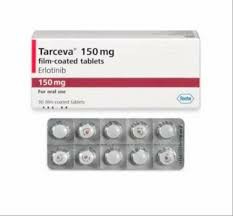
In the pancreatic cancer indication, erlotinib is used in combination with gemcitabine for patients with unresectable or metastatic pancreatic cancer. Clinical studies have shown that this combination regimen can slightly prolong overall survival (OS) and improve disease control rate, providing a new treatment option for patients with refractory pancreatic cancer. Although the efficacy is relatively limited, erlotinib is still a feasible adjuvant option based on the patient's physical condition and individual needs.
In general, erlotinib (Erlotinib) is mainly suitable for patients with EGFR mutation-positive advanced non-small cell lung cancer and patients with advanced or metastatic pancreatic cancer. Its targeting mechanism enables it to have significant efficacy in specific patient groups and is well tolerated. It is suitable for patients who are intolerant to chemotherapy or require long-term oral treatment. Adverse reactions such as rash, diarrhea, and liver function need to be closely monitored during use to ensure safe and effective clinical benefit.
Keyword tags:
EGFRInhibitors, non-small cell lung cancer (NSCLC), pancreatic cancer, targeted therapy, imported drugs, domestic drugs, medical insurance policy, drug prices, side effect management
ReferenceInformation:https://pubmed.ncbi.nlm.nih.gov/?term=erlotinib
[ 免责声明 ] 本页面内容来自公开渠道(如FDA官网、Drugs官网、原研药厂官网等),仅供持有医疗专业资质的人员用于医学药学研究参考,不构成任何治疗建议或药品推荐。所涉药品可能未在中国大陆获批上市,不适用于中国境内销售和使用。如需治疗,请咨询正规医疗机构。本站不提供药品销售或代购服务。


