
.jpeg)
What are the common side effects of Lorlatinib/Lorlatinib (Borina)?
Lorlatinib/ Lorlatinib ( Lorlatinib), as a third-generation ALK and ROS1 inhibitor, plays an important role in the targeted treatment of ALK fusion-positive non-small cell lung cancer. However, like all targeted drugs, it may be accompanied by a series of side effects while exerting its efficacy. Both patients and clinicians need to be fully aware of these adverse reactions in order to provide timely management and symptomatic treatment during the treatment process.
1. High cholesterol and high triglycerides: A common metabolic change after taking lorlatinib is an increase in blood lipid levels, which is manifested by an increase in serum cholesterol and triglycerides. This change is usually detected in blood tests. Although most patients have no obvious symptoms, they may need to cooperate with dietary modification or lipid-regulating drug intervention to control blood lipid levels.
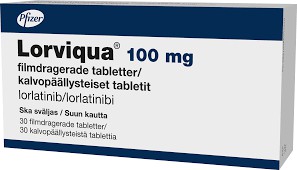
2. Nervous system symptoms: Lorlatinib has high activity on the central nervous system because it can cross the blood-brain barrier, but it may also cause a series of neurological-related symptoms, including mild dizziness, memory changes, mood swings, or mild cognitive decline. Although most symptoms are reversible and mild, clinical monitoring and family attention are required.
3. Abnormal liver function: Elevated liver enzymes, such as mild to moderate increases in alanine aminotransferase (ALT) or aspartate aminotransferase (AST) levels, can be observed in some patients. Such changes usually require regular monitoring of liver function and, if necessary, adjustment of dosage or temporary discontinuation of medication.
4. Peripheral edema: Some patients may experience mild edema in their limbs or local tissues during lorlatinib treatment, manifesting as swelling under the skin, slight weight gain, etc. Most of these side effects are mild and can be managed by adjusting body position and appropriately reducing salt intake.
5. Gastrointestinal reactions: including mild nausea, vomiting, diarrhea or constipation, etc. These side effects are common non-specific manifestations of many targeted drugs. For patients with gastrointestinal discomfort, they can be relieved by adjusting their eating habits, eating in appropriate portions, or taking symptomatic drugs.
Overall, although the side effects spectrum of lorlatinib is broad, most are mild to moderate and manageable. The key is to maintain good communication between patients and doctors, regularly check blood indicators and organ functions, detect adverse reactions in a timely manner and take appropriate intervention measures, thereby minimizing the impact of side effects while ensuring efficacy.
Keyword tags: lorlatinib Side effects Common Impact Adverse reactions Nervous Metabolism Cholesterol Liver function Gastrointestinal tract
References:https://www.ema.europa.eu/en/documents/product-information/lorviqua-epar-product-information_en.pdf
[ 免责声明 ] 本页面内容来自公开渠道(如FDA官网、Drugs官网、原研药厂官网等),仅供持有医疗专业资质的人员用于医学药学研究参考,不构成任何治疗建议或药品推荐。所涉药品可能未在中国大陆获批上市,不适用于中国境内销售和使用。如需治疗,请咨询正规医疗机构。本站不提供药品销售或代购服务。


