
.jpeg)
What is the medical insurance reimbursement process for Nintedanib and what should you prepare?
Nintedanib (Nintedanib), as an anti-fibrosis targeted drug, has been officially launched in China and has been included in the national medical insurance directory. The scope of medical insurance is clearly limited to three major categories of diseases: idiopathic pulmonary fibrosis (IPF), systemic sclerosis-associated interstitial lung disease (SSc-ILD), and chronic fibrosing interstitial lung disease with a progressive phenotype (PF-ILD). For patients who meet the indications, reasonable application for medical insurance reimbursement can significantly reduce the burden of medication and ensure the sustainability of long-term treatment.
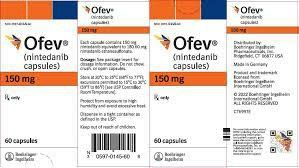
In the reimbursement process, the first condition is that patients must obtain a clear diagnosis of the disease. Clinically, doctors will judge the type of disease through high-resolution CT, pulmonary function tests and comprehensive medical history. Only after a diagnosis is confirmed can a relevant diagnosis certificate be issued. Secondly, patients need to bring the prescription and disease certificate issued by a regular hospital (usually a tertiary hospital) to the pharmacy designated by the medical insurance or the hospital pharmacy department to register for drug purchase.
In terms of preparing materials, patients need to bring basic documents such as medical insurance cards, outpatient medical records, and doctor's prescriptions. If the patient is applying for medical insurance reimbursement for a special disease for the first time, he or she must also submit a "Special Drug Reimbursement Application" or a "Long-term Drug Registration Application" to the local medical insurance bureau. After approval, the patient can enjoy continued reimbursement. Electronic filing is implemented in some areas, and patients can directly complete online review through the hospital information system, greatly simplifying the process. In terms of reimbursement ratio, nintedanib is a Class B medical insurance drug, and patients need to pay part of the cost out of pocket, but compared to purchasing it at their own expense, the overall expenditure has been significantly reduced.
In terms of use management, medical insurance stipulates that nintedanib must be prescribed by a doctor with corresponding qualifications and undergo periodic follow-up evaluation. This not only helps ensure the reasonable use of medical insurance, but also provides continuous safety monitoring for patients. For long-term users, liver function, blood indicators and lung function should be reviewed regularly during treatment so that doctors can adjust the dose or plan.
Keyword tags: nintedanib Medical insurance Reimbursement Process Material preparation Vigat IPF SSc-ILD PF-ILD anti-fibrosis
Reference materials:https://www.medicines.org.uk/emc/product/1786/smpc
[ 免责声明 ] 本页面内容来自公开渠道(如FDA官网、Drugs官网、原研药厂官网等),仅供持有医疗专业资质的人员用于医学药学研究参考,不构成任何治疗建议或药品推荐。所涉药品可能未在中国大陆获批上市,不适用于中国境内销售和使用。如需治疗,请咨询正规医疗机构。本站不提供药品销售或代购服务。


