
.jpeg)
Differences between the two dosage forms of Cabozantinib
Cabozantinib (Cabozantinib) mainly exists in two different dosage forms in overseas markets, namely capsule dosage form and tablet dosage form. Although the active ingredients of these two dosage forms are the same, there are obvious differences in indications, dosing design and clinical use logic, and they are not interchangeable. This is a principle that needs to be emphasized in clinical use.
1. Different indications and positioning
The capsule form of Cabozantinib is mainly used to treat progressive or metastatic medullary thyroid cancer (MTC). This indication determines the dosage design and dosing schedule in its early development stage. In contrast, cabozantinib tablets have a wider range of indications, covering advanced renal cell carcinoma, hepatocellular carcinoma, differentiated thyroid cancer (DTC) and a variety of well-differentiated neuroendocrine tumors. The applicable population and disease spectrum are significantly wider.
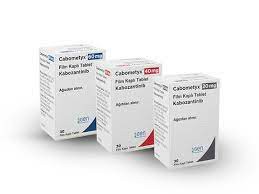
2. Drug dosage and exposure design are different
There are differences in pharmacokinetic design between capsule dosage forms and tablet dosage forms. Even if the nominal dose values are similar, their in vivo absorption and drug exposure levels are not completely consistent. This is also one of the core reasons why it is emphasized clinically that the two dosage forms are not interchangeable. Random substitution may lead to insufficient efficacy or increased risk of toxicity.
3. Treatment strategies have different focuses
The capsule dosage form mainly serves a relatively single type of tumor, and the treatment strategy is more focused on long-term control of tumor progression; while the tablet dosage form covers a variety of solid tumors and is often used in multi-line treatment scenarios. It can be used as a single drug or in combination with immunotherapy drugs, making the overall treatment strategy more flexible.
4. Applicable to different age groups
Among the indications for tablet dosage forms, some diseases have been extended to adolescent patients 12 years old and above, such as differentiated thyroid cancer and neuroendocrine tumors, while capsule dosage forms are mainly used in adult patients, which is of great significance in clinical medication decisions.
5. Different clinical use specifications
The two dosage forms have independent systems in terms of instructions, medication guides and adverse reaction management strategies. Therefore, during the actual medication process, doctors need to strictly follow the indications and dosage regimens corresponding to the specific dosage forms when prescribing.
Keyword tag: cabozantinib Dosage form Differences Capsules Tablets Cabozantinib Indications Irreplaceable Thyroid Cancer Kidney Cancer Liver Cancer
Reference materials:https://www.medicines.org.uk/emc/product/15682/smpc
[ 免责声明 ] 本页面内容来自公开渠道(如FDA官网、Drugs官网、原研药厂官网等),仅供持有医疗专业资质的人员用于医学药学研究参考,不构成任何治疗建议或药品推荐。所涉药品可能未在中国大陆获批上市,不适用于中国境内销售和使用。如需治疗,请咨询正规医疗机构。本站不提供药品销售或代购服务。


