
.jpeg)
Detailed description of Zongatinib (Zongatinib) indications, main disease types and clinical application guidelines
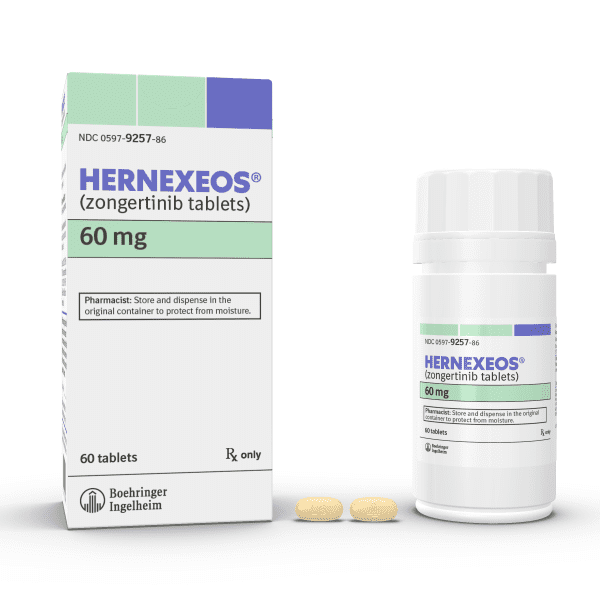
Zongertinib (also known as Zongertinib) is a new oral HER2 (human epidermal growth factor receptor 2, ERBB2) tyrosine kinase inhibitor specifically targeting HER2 Developed in patients with unresectable or metastatic non-squamous non-small cell lung cancer (NSCLC) with activating mutations. It inhibits downstream signaling by covalently binding to the HER2 amino acid kinase domain, thereby blocking tumor cell proliferation and metastatic potential. Compared with broader-spectrum inhibitors, zongatinib has weaker inhibition of EGFR wild-type, which reduces the incidence of EGFR -related adverse reactions, allowing it to show good targeted therapy properties in patients with advanced or drug-resistant NSCLC . This drug fills the clinical gap of HER2 mutations NSCLC oral targeted drugs and provides patients with new treatment options.
The main indication for zongatinib is adult patients with unresectable locally advanced or metastatic non-squamous NSCLC who carry HER2 activating mutations and have received at least first-line systemic therapy. Early clinical trials and real-world data have shown significant efficacy, such as the Beamion LUNG‑1 study showing that the drug’s objective response rate (ORR) in previously treated patients was approximately 70%, and the disease control rate (DCR) can reach 90% or more. It is worth noting that even in patients with brain metastases, a certain tumor shrinkage effect was observed, suggesting that zongatinib has potential advantages in CNS permeability and system control. After using the drug, patients not only saw a significant reduction in tumor burden, but also a significant improvement in symptoms, including relief of common symptoms such as dyspnea, fatigue, and decreased physical strength.
In the clinical application guidelines, the use of zongatinib emphasizes precise testing and patient screening. Before initiating treatment, HER2 activating mutations must be confirmed through molecular testing (such as NGS or PCR ) to ensure the pertinence and effectiveness of targeted therapy. Commonly recommended doses are 120 mg daily (body weight <90 kg) or 180 mg (body weight ≥90 kg) until disease progression or intolerable toxicity occurs. Liver function, cardiac indicators, blood routine and other potential adverse reactions need to be monitored regularly during treatment. Clinical guidelines recommend the use of zongatinib in experienced oncology centers and in conjunction with a multidisciplinary team to assess the patient's condition and treatment risks to achieve individualized management and optimize efficacy.
The mechanism of drug resistance is a key issue that needs to be paid attention to in the clinical application of zongatinib. Although it has high sensitivity to HER2 driven tumors, some patients may develop resistance during long-term treatment. The main mechanisms include activation of HER2 downstream signaling pathways, increased tumor heterogeneity, and changes in gene copy number or mutation types. Clinical response strategies include combining immune checkpoint inhibitors or other targeted drugs to delay the emergence of resistance, while closely monitoring disease progression through imaging and molecular testing. Real-world feedback shows that some patients can still maintain stable disease after long-term use, but the maintenance time of the efficacy varies due to individual differences and underlying pathological characteristics.
The safety of zongertinib is generally controllable. Common side effects include mild to moderate diarrhea, rash, fatigue, and increased liver function indicators. Most of them can be controlled through symptomatic treatment or dose adjustment. Compared with traditional chemotherapy, the oral administration mode of zongatinib improves patient compliance and reduces hospitalization and infusion burden. In clinical practice, patients reported that their quality of life has been significantly improved, especially that their exercise ability and daily self-care abilities have been maintained. In addition, the drug's rapid onset of action in advanced patients also provides support for improving patients' psychological state and treatment confidence.
Overall, Zongertinib (Zongertinib), a HER2 targeted oral drug, demonstrated significant efficacy in patients with unresectable or metastatic HER2 mutated NSCLC . It not only improves objective response and disease control rates, but also prolongs progression-free survival and improves symptoms and quality of life. Through precise molecular screening, individualized dose adjustment and multidisciplinary management, the emergence of drug resistance can be effectively delayed and long-term efficacy optimized. With the accumulation of more clinical studies and real-world data, the application prospects of zongatinib in advanced lung cancer and other HER2-driven tumors will be further expanded, providing patients with broader and sustainable treatment options.
Keyword tag:
Zongatinib, Zongatinib, indications, treatment disease types, clinical application guidelines, HER2mutated non-small cell lung cancer, NSCLC, brain metastasis, accurate detection, drug resistance mechanism, safety
Reference materials:https://www.drugs.com/hernexeos.html
[ 免责声明 ] 本页面内容来自公开渠道(如FDA官网、Drugs官网、原研药厂官网等),仅供持有医疗专业资质的人员用于医学药学研究参考,不构成任何治疗建议或药品推荐。所涉药品可能未在中国大陆获批上市,不适用于中国境内销售和使用。如需治疗,请咨询正规医疗机构。本站不提供药品销售或代购服务。


