
.jpeg)
Summary and analysis of the efficacy and clinical application of safinamide mesylate tablets (Siddaco) in Parkinson's disease
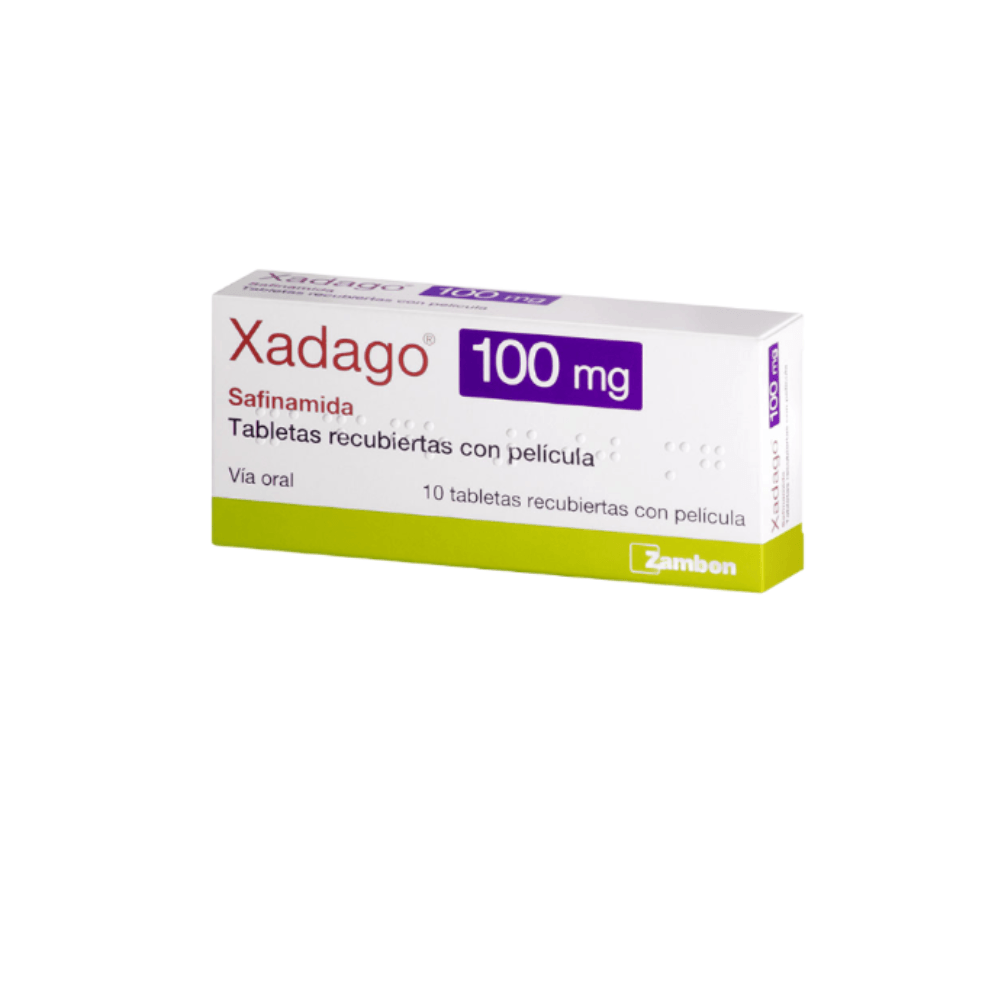
Safinamide mesylate tablets (Safinamide) is a new type of selective reversible monoamine oxidase -B (MAO-B) inhibitor. It has sodium channel blocking and glutamate release regulation effects. It is mainly used for the adjuvant treatment of Parkinson's disease (PD). By inhibiting the degradation of dopamine in the brain, safinamine can increase dopamine levels, thereby improving motor symptoms. At the same time, by regulating glutamate release, it may have a certain regulatory effect on motor complications and non-motor symptoms. In clinical practice, safinamide mesylate is often used as a supplement to basic levodopa treatment, especially for patients with mid-to-late Parkinson's disease who experience "on-off fluctuations".
Clinical trials and long-term follow-up data show that safinamide can significantly extend the effective time of levodopa, reduce the total duration of the "off-period" (off-period), and improve the quality of the "on-period" (on-period). A number of 24 weeks to 2 years of randomized controlled trials have shown that for patients who add safinamine to levodopa, the average daily off time can be reduced by about 0.5 to 1 hour, while the time without severe dyskinesia in on-period increased significantly. This effect significantly improves the patient's quality of daily life, especially in terms of motor function and ability to move independently. Safinamine has also been found to have an auxiliary effect on improving some non-motor symptoms such as mild pain, mild depression or sleep disorders, but this effect still needs to be verified by further large-scale studies.
In terms of safety, safinamine was well tolerated. Common adverse reactions include mild or moderate insomnia, increased blood pressure, headache, nausea and peripheral edema, and are mostly controllable reactions. Compared with other MAO-B inhibitors, safinamide does not require strict dietary restrictions and can reduce the risk of hypertensive crisis caused by high tyrosine foods. During combined use with levodopa, safinamine did not significantly increase serious motor complications, but blood pressure, heart rate, and nervous system responses still need to be monitored to ensure safety when used at high doses or for long periods of time. Clinicians usually recommend starting with a low dose, gradually adjusting to an effective dose, and conducting individualized management based on the patient's specific symptoms and drug tolerance.
In actual clinical application, safinamine is not only suitable for middle and late stage patients PD Motor symptom control in patients and also used as an adjunct to improve drug-related fluctuations and motor complications. Patients need to maintain close communication with their doctors during use and regularly assess motor function, non-motor symptoms and blood pressure changes so that dosage or combination treatment can be adjusted in a timely manner. Long-term use data shows that safinamide can steadily improve motor fluctuations and quality of life while maintaining good safety, making it an important auxiliary drug choice in the comprehensive treatment system for Parkinson's disease. Through scientific management and individualized treatment, safinamide mesylate has significant clinical value in improving PD patients’ motor function, prolonging effective activity time and improving quality of life.
Keyword tag:
Safinamide Mesylate Tablets, Siddac, efficacy in Parkinson's disease, clinical application summary, motor fluctuations, non-motor symptoms, safety, dosage guidance, quality of life
Reference materials:https://go.drugbank.com/drugs/DB06643
[ 免责声明 ] 本页面内容来自公开渠道(如FDA官网、Drugs官网、原研药厂官网等),仅供持有医疗专业资质的人员用于医学药学研究参考,不构成任何治疗建议或药品推荐。所涉药品可能未在中国大陆获批上市,不适用于中国境内销售和使用。如需治疗,请咨询正规医疗机构。本站不提供药品销售或代购服务。


