
.jpeg)
Analysis of reimbursement ratio, policy changes and drug purchase precautions after Pretomanid is included in medical insurance
Pretomanid (Pretomanid) is a new anti-tuberculosis drug used in the treatment of multidrug-resistant tuberculosis (MDR-TB) and extensively drug-resistant tuberculosis (XDR-TB). Recent policy adjustments to include medical insurance in the country have provided certain convenience for patients to obtain treatment. Inclusion in medical insurance means that eligible patients can reduce their personal payment burden through medical insurance reimbursement when they are treated with putomanib. This is especially important for patients with drug-resistant tuberculosis undergoing long-term treatment, because the cost of drugs under the traditional self-pay model is high and can easily cause financial pressure.
Regarding the reimbursement ratio, the specific policies are still different in the process of implementation in various places, but generally speaking, after being included in medical insurance, the reimbursement ratio of Putomani may be adjusted according to the hospital level and patient insurance category. For example, when used in tertiary-level hospitals, patients eligible for medical insurance are expected to receive a higher reimbursement rate, while some second-level and community hospitals may apply for a slightly lower rate. In addition, after the medical insurance catalog is updated, patients need to hold a doctor's prescription and medical insurance certificate when purchasing drugs in order to enjoy reimbursement according to the policy. Therefore, the drug purchasing process needs to understand the local implementation details in advance.
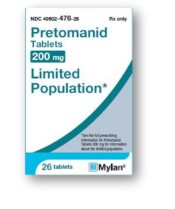
In terms of drug purchase precautions, since Putomani has been launched in the domestic market not long ago, hospital pharmacies may not have large-scale stocking yet. Patients are advised to consult the pharmacy inventory in advance before seeking medical treatment. For patients who are in urgent need of medication, they can also obtain information about overseas original drugs or generic drugs through formal channels, but cross-border drug purchases must strictly abide by national and customs regulations. The specifications of overseas original drugs are 200mg26 tablets, which are sold for more than 600 US dollars per box, while some generic drugs, such as 200mg30 tablets produced by Laos Pharmaceutical Factory, are sold for more than 2,000 yuan per box. The price difference is obvious, but the ingredients are basically the same as the original drugs.
Overall, the inclusion of putomanid in medical insurance provides economic accessibility and policy protection for patients with drug-resistant tuberculosis, but the actual reimbursement ratio and drug purchase process vary due to regional differences. During use, patients should scientifically arrange treatment plans based on doctor's guidance and medical insurance policies, and pay attention to drug supply. At the same time, patients who are considering overseas channels should ensure that they choose formal and legal drug purchase channels to avoid legal and medication risks caused by inappropriate channels, so as to ensure the safety and efficacy of treatment.
Keyword tag:
Putomanib, medical insurance reimbursement, policy changes, drug purchase considerations, drug-resistant tuberculosis,MDR-TB, reimbursement ratio, overseas drug purchase, original drug, generic drug, drug supply
Reference materials:https://go.drugbank.com/drugs/DB05154
[ 免责声明 ] 本页面内容来自公开渠道(如FDA官网、Drugs官网、原研药厂官网等),仅供持有医疗专业资质的人员用于医学药学研究参考,不构成任何治疗建议或药品推荐。所涉药品可能未在中国大陆获批上市,不适用于中国境内销售和使用。如需治疗,请咨询正规医疗机构。本站不提供药品销售或代购服务。


