
.jpeg)
Possible side effects of EIKANCE 0.01% Atropine Sulfate Eye Drops and possible harm caused by long-term use
0.01% atropine sulfate eye drops (EIKANCE) is a low-concentration atropine preparation, mainly used for myopia control and axial growth intervention in children. Atropine blocks the acetylcholine receptors in the eye and slows down the contraction of the ciliary muscle, thereby affecting the growth rate of the eyeball and delaying the progression of myopia. Although low-concentration eye drops have significantly fewer side effects than high-concentration preparations, a series of side effects may still occur during clinical use. At the same time, long-term use also requires attention to potential risks and health effects.
The most common side effects focus on local eye reactions, including dryness of the eyes, mild irritation or burning sensation, conjunctival congestion, and temporary blurred vision. These symptoms usually appear within a short period of time after instillation, and most patients can relieve their discomfort on their own or by using artificial tears or adjusting the instillation time. A small number of children may have mild pupil dilation (mydriasis), resulting in increased sensitivity to light. Photophobia may occur especially in strong light environments, and they need to wear sunglasses to protect their eyes. The degree of mydriasis and accommodative paralysis is significantly reduced by the higher concentration preparation of low-concentration atropine eye drops, but parents and doctors still need to pay attention.
Although systemic side effects are rare, caution is required during use. Atropine is absorbed in small amounts through the cornea and conjunctiva and may in rare cases cause dry mouth, facial flushing, mildly increased heart rate, or mild neurological reactions, such as decreased concentration or mild sleep disturbance. For children who are underweight or younger, the risk is relatively higher. Therefore, parents need to strictly follow the doctor's instructions during long-term use to avoid excessive or frequent use. If obvious systemic reactions occur, the drug should be stopped immediately and consult a professional doctor.
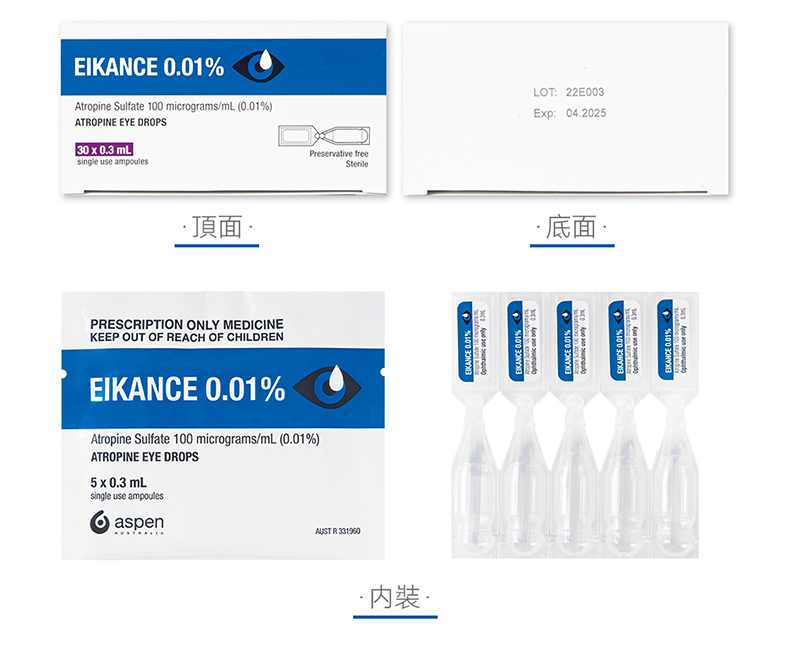
Long-term use 0.01% The potential risks of atropine sulfate eye drops mainly involve eye health and visual function development. Sustained suppression of ciliary muscle function may result in mildly limited accommodative responses, blurred near vision, or reading fatigue in some children. In addition, long-term use may increase the risk of intraocular pressure fluctuations in people at high risk of glaucoma, especially children with a family history of glaucoma who need to closely monitor intraocular pressure and fundus conditions. Although low concentrations of atropine significantly reduce the chance of long-term damage to the cornea and lens, regular follow-up visits with an ophthalmologist, including vision exams, intraocular pressure measurements, and corneal health assessments, are recommended to ensure long-term safety.
In order to ensure the safety and efficacy of medication, it is usually recommended in clinical practice to adopt an individualized plan, combined with strategies such as periodic drug withdrawal or "weekend drug withdrawal" to reduce the potential burden on the eye accommodation system. During use, parents should pay attention to their children's adaptation to light, reading and outdoor activities, record vision changes and any symptoms of discomfort in a timely manner, and maintain communication with their ophthalmologists. In addition, children should avoid adjusting the frequency or dosage of drops on their own to prevent adverse reactions or affecting the effect of myopia control. Scientific management and regular follow-up can effectively reduce the risk of side effects, making 0.01% Atropine Sulfate Eye Drops safe and stable in delaying the progression of myopia.
Keyword tag:
Atropine Sulfate Eye Drops,EIKANCE, side effects, hazards of long-term use, ocular reactions, systemic side effects, glaucoma risk, adjustment function, individualized plan, regular follow-up
Reference materials:https://pubmed.ncbi.nlm.nih.gov/?term=atropine+eye+drops
[ 免责声明 ] 本页面内容来自公开渠道(如FDA官网、Drugs官网、原研药厂官网等),仅供持有医疗专业资质的人员用于医学药学研究参考,不构成任何治疗建议或药品推荐。所涉药品可能未在中国大陆获批上市,不适用于中国境内销售和使用。如需治疗,请咨询正规医疗机构。本站不提供药品销售或代购服务。


