
.jpeg)
What are the common adverse reactions of Zolbetuximab and how patients can manage their medication safely
Zolbetuximab (Zolbetuximab) is a fully human IgG1 that targets the high expression of Claudin 18.2 (CLDN18.2) in gastric cancer and gastroesophageal junction adenocarcinoma. Monoclonal antibodies kill tumor cells by selectively binding to the CLDN18.2 protein on the surface of tumor cells and activating immune effector mechanisms in the body (such as antibody-dependent cell-mediated cytotoxicity ADCC and complement-dependent cytolysis CDC). Clinical studies have shown that zotuximab combined with chemotherapy can significantly extend the progression-free survival and overall survival of patients with advanced gastric cancer. However, the treatment process is also accompanied by a series of adverse reactions. Understanding common toxicities and scientific management methods is crucial to improving patient tolerance and medication safety.
Common adverse reactions of zotuximab mainly include gastrointestinal symptoms, infusion-related reactions, and hematological abnormalities. Gastrointestinal symptoms manifest as nausea, vomiting, diarrhea, and decreased appetite, often occurring early in treatment or when combined with chemotherapy. Infusion-related reactions are another common type of toxicity, manifesting as fever, chills, hypotension, shortness of breath, or rash, and often occur during the first or first few intravenous infusions. Hematological abnormalities mainly include mild to moderate leukopenia and thrombocytopenia, and occasionally neutropenia may occur, increasing the risk of infection. Although most adverse events can be managed, serious or life-threatening complications may develop if early symptoms are ignored.
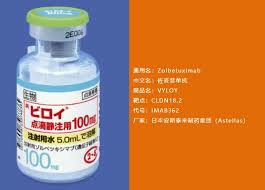
In order to ensure the safety of medication, patients need to undergo detailed evaluation before receiving zotuximab treatment, including blood routine, liver and kidney function, and previous cardiopulmonary conditions. The first infusion is usually carried out at a low speed and under the supervision of medical staff to detect and deal with infusion-related reactions in a timely manner. For gastrointestinal symptoms, anti-nausea drugs can be given before medication, and discomfort can be alleviated through small and frequent meals and dietary adjustments. Patients with hematological abnormalities need to regularly monitor their blood images. If a significant decrease in neutrophils or platelets is found, the drug can be postponed or the dosage adjusted, and growth factor support therapy can be used under the guidance of a doctor.
The management of the patient's own life is equally important. You should maintain a good routine, a balanced diet and moderate exercise to improve immune function and tolerance. At the same time, you should strictly follow the doctor's instructions to complete each course of treatment, and do not increase or decrease the dosage or change the medication interval at will. In the event of fever, cough, difficulty breathing or severe gastrointestinal symptoms, seek medical attention immediately to ensure timely intervention. During long-term treatment, the medical team usually establishes a follow-up and monitoring plan to help patients identify early adverse reactions, adjust treatment plans, and provide psychological support to cope with the stress caused by long-term treatment.
Overall, ZolbetuximabZolbetuximab) in advanced gastric cancer and related adenocarcinoma has been confirmed by clinical studies, but it is accompanied by adverse events such as gastrointestinal reactions, infusion reactions, and hematological toxicity. Through standardized pre-medication assessment, infusion monitoring, hematology management, symptomatic treatment, and patients' own lifestyle adjustments, the risk of toxicity can be effectively reduced, and tolerance and treatment continuity can be improved. Scientific management and multidisciplinary collaboration enable patients to achieve both efficacy and safety when receiving zotuximab treatment, providing a feasible and reliable clinical solution for precision immunotherapy of advanced gastric cancer.
Keyword tag:
Zotuximab, adverse reactions, medication safety management, gastrointestinal symptoms, infusion reactions, hematological abnormalities, monitoring, dose adjustment, patient education, quality of life
Reference materials:https://clinicaltrials.gov/
[ 免责声明 ] 本页面内容来自公开渠道(如FDA官网、Drugs官网、原研药厂官网等),仅供持有医疗专业资质的人员用于医学药学研究参考,不构成任何治疗建议或药品推荐。所涉药品可能未在中国大陆获批上市,不适用于中国境内销售和使用。如需治疗,请咨询正规医疗机构。本站不提供药品销售或代购服务。


