
.jpeg)
The official instructions for durvalumab (durvalumab) include contraindications and precautions.
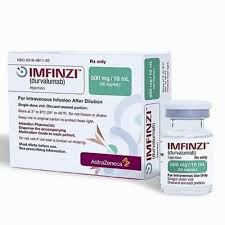
Durvalumab (Durvalumab) is a fully human IgG1 monoclonal antibody that targets programmed death ligand-1 (PD-L1) by blocking PD-L1 The combination with PD-1 and CD80 enhances the anti-tumor immune response mediated by T cells, thereby achieving immunotherapy effects on a variety of solid tumors. As an immune checkpoint inhibitor, durvalumab has been approved for postoperative adjuvant treatment of locally advanced unresectable non-small cell lung cancer (NSCLC), locally advanced unresectable small cell lung cancer (SCLC) and other PD-L1 Express related solid tumors, but its use must strictly follow the contraindications and precautions in the official instructions to ensure safety.
According to the official labeling, the main contraindications to durvalumab include patients with known hypersensitivity to the drug or its components. For patients with severe active autoimmune diseases, they usually need to be used with caution or banned because immune checkpoint inhibitors may aggravate underlying immune disorders and cause serious immune-related adverse events. In addition, pregnant and lactating women are generally considered contraindicated groups because of the lack of sufficient safety data and the drug may affect the fetus or newborn via the placenta or breast milk. For patients with a history of severe immune-related side effects, the risks and benefits of durvalumab should also be weighed.
In terms of precautions for use, the most important risk of durvalumab comes from immune-related adverse events (irAEs). Common clinical irAEs include pneumonia, hepatitis, enteritis, nephritis, endocrine diseases (such as thyroid dysfunction, adrenal insufficiency, diabetic ketosis), and skin reactions. Such adverse events may occur weeks to months after taking the drug or even after the drug is discontinued. Therefore, patients taking durvalumab need to regularly monitor liver function, renal function, thyroid function and blood sugar, and pay close attention to respiratory symptoms, diarrhea and skin reactions. Once moderate or severe irAEs occur, medication should be discontinued immediately and glucocorticoid or immunosuppressive intervention should be performed according to guidelines to avoid worsening of the condition.
The official instructions also emphasize concerns about the risk of infection. Because durvalumab can enhance the immune response and may cause abnormal immune regulation, patients should be used with caution if they have active infections during treatment. In addition, for patients with previous chronic infections such as tuberculosis, hepatitis B, hepatitis C, etc., viral activity should be evaluated before treatment and necessary prevention or monitoring should be carried out. Caution is also required when using durvalumab in patients with cardiopulmonary insufficiency, pulmonary fibrosis, or chronic lung disease, as the risk of immune-related pneumonitis may be increased. During medication, combination with other drugs that may cause immunosuppression or immune activation should be avoided to reduce potential adverse reactions.
Other considerations include patient medication compliance and monitoring arrangements. Durvalumab is usually administered by intravenous infusion, and treatment intervals and dosages must be strictly followed according to the instructions. Clinicians need to educate patients to recognize early signs of side effects and seek medical advice promptly when symptoms occur. For elderly patients, those with impaired liver and kidney function, or those with multiple underlying diseases, treatment strategies should be adjusted under professional evaluation to balance efficacy and safety. At the same time, long-term use may cause fatigue, decreased appetite, and mild to moderate hematological changes. Such side effects can usually be managed through supportive treatment and regular follow-up.
In general, durvalumab (durvalumab), as a PD-L1 targeted immunotherapy drug, has shown significant clinical efficacy in non-small cell lung cancer and other indications, but its use must strictly comply with the contraindications and precautions in the official instructions. Through contraindication screening, regular monitoring, early identification and intervention of immune-related adverse events, and personalized treatment strategies, patient safety can be ensured to the greatest extent, while the immunotherapy advantages of drugs can be leveraged to provide effective clinical options for patients with advanced or high-risk solid tumors.
Keyword tag:
Durvalumab, durvalumab, official instructions, contraindications, precautions, immune-related adverse events, irAEs, infection risk, medication compliance, individualized treatment
Reference materials:https://pubmed.ncbi.nlm.nih.gov/31272242/
[ 免责声明 ] 本页面内容来自公开渠道(如FDA官网、Drugs官网、原研药厂官网等),仅供持有医疗专业资质的人员用于医学药学研究参考,不构成任何治疗建议或药品推荐。所涉药品可能未在中国大陆获批上市,不适用于中国境内销售和使用。如需治疗,请咨询正规医疗机构。本站不提供药品销售或代购服务。


