
.jpeg)
What is the medical insurance reimbursement rate for Upadacitinib? Can it reduce the burden?
Upadacitinib(Upadacitinib) is a selective JAK inhibitor that has been approved for marketing in China and has been included in the National Reimbursement List for the treatment of a variety of autoimmune and inflammatory diseases, such as rheumatoid arthritis. With the drug entering the medical insurance system, the financial pressure on patients during long-term medication has been significantly alleviated, which is also an important issue that many patients are concerned about.
From the perspective of medical insurance attributes, upadatinib is included in the National Medical Insurance Category B Catalog. Patients who meet the indications can enjoy reimbursement in accordance with local medical insurance policies under the premise of standardized medication. Since my country's medical insurance implements territorial management, different provinces and cities may have slightly different reimbursement ratios and thresholds, but the overall reimbursement level is relatively stable.
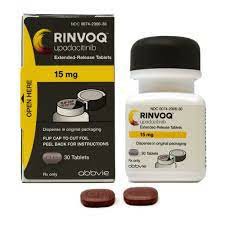
In most areas, the medical insurance reimbursement ratio of upadatinib can usually reach around 50% to 70%. In some areas, there is room for further improvement in the reimbursement ratio within the scope of special disease outpatient services or chronic disease management. For patients who require long-term maintenance treatment, after the intervention of medical insurance, the single-month out-of-pocket expense has dropped significantly, making continued standardized medication more feasible.
From the perspective of patients' actual burden, upadatinib is an innovative targeted small molecule drug. If it is completely paid for out-of-pocket, the cost of medication will be relatively high. After being reimbursed by medical insurance, it not only relieves financial pressure, but also reduces the risk of patients interrupting treatment due to cost issues, helping to maintain long-term stable control of the disease.
In terms of the reimbursement process, patients usually need to complete a clear diagnosis in a rheumatology department or dermatology department, have a prescription issued by a qualified doctor, and purchase drugs at a medical insurance designated hospital or pharmacy. Some areas also require medical insurance filing or special disease registration. Once completed, the payment can be directly settled on a pro-rata basis without additional reimbursement procedures.
Keyword tag: Upatinib Reimbursement ratio by medical insurance Ruifu JAK inhibitor medical insurance policy patient burden autoimmune disease
Reference materials:https://www.rinvoq.com/
[ 免责声明 ] 本页面内容来自公开渠道(如FDA官网、Drugs官网、原研药厂官网等),仅供持有医疗专业资质的人员用于医学药学研究参考,不构成任何治疗建议或药品推荐。所涉药品可能未在中国大陆获批上市,不适用于中国境内销售和使用。如需治疗,请咨询正规医疗机构。本站不提供药品销售或代购服务。


