
.jpeg)
Is vorasidenib-VORANIGO effective against Candida glabrata and analysis of clinical efficacy and research results
Vorasidenib (trade name VORANIGO®) is a small molecule inhibitor targeting IDH1/IDH2 mutations. It is mainly used to treat tumors with IDH1/2 gene abnormalities (such as IDH Mutant low-grade glioma, etc.). Its design target is the mutation of the metabolic enzyme isocitrate dehydrogenase, not a target related to microorganisms or fungal infections. Therefore, it is not an anti-infective or antifungal drug. It has no antibacterial or antifungal effects on Candida glabrata (Candida glabrata) and other Candida fungi, and it is not within the scope of its clinical indications.
Candida glabrata is a fungus that commonly causes bloodstream or mucosal infections in patients with low immune function, long-term indwelling catheters, and long-term antibiotic use. Antifungal treatments generally use azoles (such as fluconazole), echinocandins (such as caspofungin), polyenes (such as amphotericin B) and other drugs. The mechanism of action of Vorsidenib is to target abnormal metabolism of tumor cells. It reduces the accumulation of carcinogenic metabolite 2-hydroxyglutarate (2-HG) by inhibiting IDH mutant enzyme and restores normal cell differentiation. Therefore, it will not directly inhibit the growth of Candida or kill fungal cells.
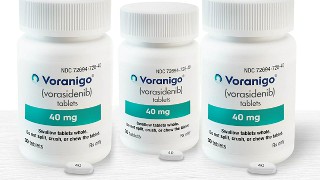
Current public clinical research mainly focuses on tumors, such as low-grade gliomas, certain leukemias, etc. IDH1/2 Mutation-positive tumor patients. Endpoints evaluated in these studies include progression-free survival (PFS), overall response rate (ORR), safety and tolerability. The study results show that vorsidenib can delay tumor progression and improve related biomarkers in the above-mentioned tumor patients, but these data are not related to fungal infections, nor do they show its antibacterial activity against Candida glabrata or other fungi.
Therefore, if the patient has Candida glabrata infection or other fungal infections, the infectious disease department or dermatologist should select appropriate antifungal drugs for treatment based on the fungal species and drug resistance. When using vorsidenib, tumors related to IDH mutations should be treated under the guidance of a professional oncologist, and attention should be paid to drug interactions with antifungal treatments and the overall condition of the patient. The two should not be confused. In short, voroxinib is not an antifungal drug and does not have efficacy against Candida glabrata. Its clinical value is limited to the precise treatment of specific IDH mutated tumors.
Keyword tag:
Vorasidenib,Vorasidenib, VORANIGO, IDH1/2
[ 免责声明 ] 本页面内容来自公开渠道(如FDA官网、Drugs官网、原研药厂官网等),仅供持有医疗专业资质的人员用于医学药学研究参考,不构成任何治疗建议或药品推荐。所涉药品可能未在中国大陆获批上市,不适用于中国境内销售和使用。如需治疗,请咨询正规医疗机构。本站不提供药品销售或代购服务。


