
.jpeg)
Analysis of tovorafenib usage and dosage, clinical medication regimens and precautions for different patients
1. Overview and basic usage of tovorafenib
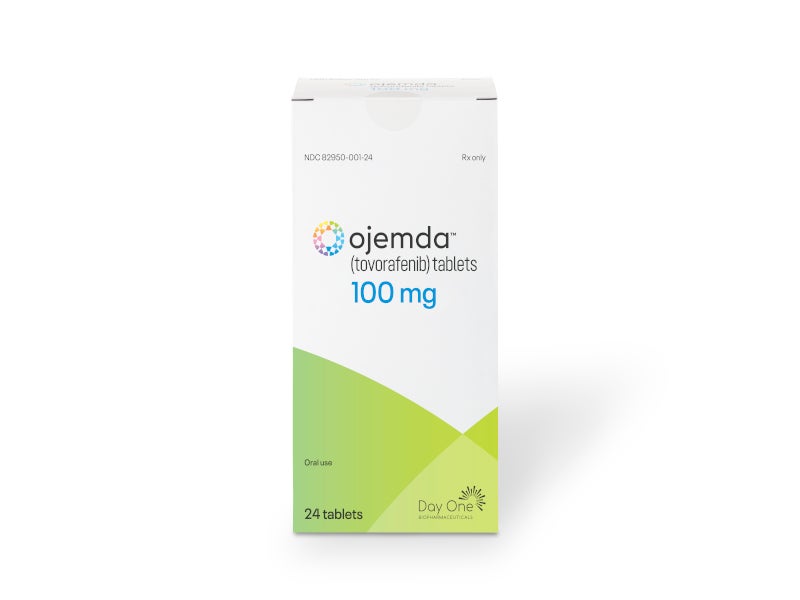
Tovorafenib (trade name OJEMDA®) is an oral II type RAF kinase inhibitor targeting BRAF fusion, BRAF V600 And some tumors with abnormal downstream MAPK signaling pathways. It is different from the traditional BRAF combination regimen with MEK . It has stronger brain penetration and activity against BRAF fusion-driven tumors, and is particularly suitable for solid tumors such as refractory or recurrent gliomas. Standard usage is oral administration once a day, usually with food or on an empty stomach, but it is recommended to take it at a fixed time as directed by your doctor to maintain a constant blood concentration.
The recommended tovorafenib dose is calculated based on body surface area (BSA) and is 380 mg/m2 taken orally once weekly. This dose has shown good efficacy and a manageable safety profile in multiple clinical studies. Initial treatment usually lasts for weeks to months, and efficacy and tolerability are judged through regular imaging evaluation, tumor marker testing, and observation of clinical symptoms. If the patient tolerates the initial dose well and disease control does not change significantly, the physician can maintain the dose or gradually adjust it based on individualized circumstances.
2. Individualized dosing strategies for different patients
For different populations, the dose of tovorafenib needs to be individually adjusted and carefully monitored:
Patients with impaired hepatic function: Tovorafenib is primarily metabolized by the liver, so there is a risk that hepatic function may affect its clearance. Patients with moderate hepatic impairment (Child-Pugh B) may need to carefully reduce the dose or extend the dosing interval to ensure that blood drug concentrations are not too high and to closely monitor liver enzyme indicators. Use is generally not recommended in patients with severe hepatic impairment (Child-Pugh C) unless the potential benefit is clear.
Patients with impaired renal function: Although tovorafenib is mainly metabolized by the liver, for patients with moderate or severe renal impairment, the drug must be used with caution based on physician evaluation. The standard dose does not need to be significantly reduced when renal function declines, but renal function indicators and adverse drug reactions need to be monitored and followed up closely.
Children and adolescent patients: The clinical application of tovorafenib in pediatric low-grade glioma (pLGG) has shown certain advantages. For smaller children, the dose can be adjusted according to body weight (mg/kg), usually in a specialist center, and monitored by a team of pediatric oncologists for efficacy and side effects.
Concomitant drug users: If patients concurrently use CYP3A inhibitors (such as ketoconazole, clarithromycin) or CYP3A inducers (such as rifampicin, phenobarbiturates), the metabolism and clearance rate of tovorafenib may be affected. At this time, the risk of drug interaction should be evaluated, and if necessary, the dose of tovorafenib should be adjusted or the drug should be temporarily discontinued.
3. Medication strategy and treatment course adjustment by stages
The dosage regimen of tovorafenib will be adjusted according to the progression of the disease:
Initial treatment (1–2 months): It is recommended to conduct a clinical evaluation every 2–4 weeks, including physical examination, symptom changes, quality of life and routine laboratory tests (liver and kidney function, electrolytes, etc.). Imaging examinations (MRI/CT) are used to evaluate tumor response. If the disease progresses significantly, whether to switch to other treatment options should be discussed in a timely manner.
Effect stability period (3–6 months): If the tumor is partially remitted or long-term stable, the current dose needs to be continued and the reexamination interval is extended (such as imaging examination every 8–12 weeks). The focus of this phase is long-term tolerability monitoring and quality of life assessment.
Disease progression or emergence of drug resistance: If disease progression, decreased drug tolerance, or severe side effects occur during continued treatment, it may be necessary to reduce the dose, temporarily discontinue the drug, or switch to other treatment options (such as adding other targeted drugs, immune drugs, etc.). Assessment by the multidisciplinary oncology team (MDT) is critical when making decisions.
4. Precautions and safety risk management
Although tovorafenib shows good efficacy, the following medication precautions still need to be paid attention to:
① Liver safety monitoring
Tovorafenib may cause liver function abnormalities such as elevated transaminases and abnormal bilirubin.
Baseline liver function should be assessed before initial medication, and checked every 2–4 weeks; if there is an increase in liver enzymes of ≥3 grade, medication should be discontinued and closely followed until recovery to ≤2level and then consider restarting.
②Heart monitoring
Although the risk of prolonging QT is not as clear as that of some other targeted drugs, it is still recommended that people with a history of cardiovascular disease regularly check electrocardiograms and continue to monitor changes in blood pressure and heart rate.
③ Nervous system side effects
Some patients experience symptoms such as headache, dizziness, drowsiness or neuropathy. It is necessary to determine whether they are related to the drug and evaluate whether the dosage needs to be reduced.
④ Gastrointestinal reactions
Side effects such as nausea and diarrhea are common and can be controlled with common anti-symptom support treatments. However, if the quality of life is seriously affected, timely feedback should be reported to the doctor.
5. Patient education and long-term management
Patient education while taking tovorafenib is also important:
Adhere to regular medication: Even if symptoms improve, do not stop medication at will to avoid rapid tumor rebound or increased risk of drug resistance.
Regular review: including hematology, liver and kidney function, imaging examination, etc., to help timely detect adverse reactions and changes in efficacy.
Lifestyle adjustments: Reasonable diet, moderate exercise, avoiding strenuous exertion and living in high temperature environments can help improve tolerance.
Drug interaction reminder: Please inform your doctor when taking other prescription or over-the-counter drugs to avoid efficacy or safety issues caused by drug interactions.
6. Summary
Tovorafenib, a novel RAF inhibitor, exhibits promising anti-tumor activity in tumors driven by BRAF fusions and related mutations. The dose is individually adjusted based on liver and kidney function, body weight, concomitant medications and adverse reactions. The clinical medication plan emphasizes phased assessment, dynamic dose management and safety monitoring to ensure maximization of efficacy and minimization of risks. Strict compliance with usage and dosage, regular review and timely adjustment of treatment strategies are the keys to standard use of tovorafenib.
Keyword tag:
Toborafenib, dabrafenib,BRAFinhibitors, pharmacological mechanism, clinical application, efficacy comparison, indications, side effects, brain metastasis
Reference:https://pubmed.ncbi.nlm.nih.gov/?term=tovorafenib
[ 免责声明 ] 本页面内容来自公开渠道(如FDA官网、Drugs官网、原研药厂官网等),仅供持有医疗专业资质的人员用于医学药学研究参考,不构成任何治疗建议或药品推荐。所涉药品可能未在中国大陆获批上市,不适用于中国境内销售和使用。如需治疗,请咨询正规医疗机构。本站不提供药品销售或代购服务。


