
.jpeg)
Telisotuzumab-EMRELIS complete Chinese instruction manual, including indications, usage and precautions
1. Drug overview and indications
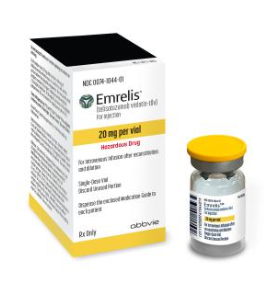
Vedotin-terituzumab (EMRELIS, telisotuzumab vedotin-tllv) is an antibody-drug conjugate (ADC) consisting of a monoclonal antibody targeting c-Met and a cytotoxic small molecule MMAE (Monomethylpaclitaxel E ) is coupled through a cleavable linker and can selectively bind and enter the interior of tumor cells overexpressing c-Met to release MMAE Destroy the cytoskeleton, thereby inhibiting tumor cell division and survival. The drug was developed by AbbVie (AbbVie) and approved for marketing overseas. It is a first-line or later-line treatment for non-squamous non-small cell lung cancer with high c-Met expression.
EMRELIS is indicated for the treatment of adult patients with locally advanced or metastatic non-squamous non-small cell lung cancer (NSCLC) who meet the following conditions:
Tumor confirmed by FDA approved testing methods to have high c-Met protein overexpression (i.e. ≥50%strongly positive 3+ staining of tumor cells);
The patient has received at least one systemic anticancer therapy.
This indication received accelerated approval based on efficacy data on overall response rate (ORR) and duration of response (DOR), and continued approval may depend on verification from subsequent confirmatory trials.
2. Usage, dosage and administration method
EMRELIS For administration by intravenous infusion only, it must be administered by trained medical professionals. The main dosage regimens are as follows:
Recommended dose: 1.9 mg/kg (maximum dose not to exceed 190 mg for patients weighing ≥100 kg );
Administration method: intravenous infusion each time Approximately 30 minutes;
Dosing interval: once every 2 weeks until tumor progression, intolerable toxicity occurs, or the doctor decides to stop treatment.
During the first infusion, it is generally recommended that the infusion time should not be shorter than 60 minutes. For patients with good tolerance, subsequent infusions may be considered to be shortened to approximately 30 minutes.
Dose adjustment strategies are usually implemented based on the adverse reactions experienced by patients. For example, the dose can be gradually reduced when important side effects occur:
Initial dose reduced to 1.6 mg/kg;
Second reduction to 1.3 mg/kg;
The third reduction to 1.0 mg/kg;
Permanent discontinuation should be considered in patients who cannot tolerate 1.0 mg/kg dose.
3. Contraindications and strict monitoring
There are currently no absolute contraindications listed in the official instructions, but the use of EMRELIS requires strict evaluation and close monitoring. Pay special attention to the following potential risks and monitoring points:
Peripheral neuropathy (PN): EMRELIS Up to approximately 50% of patients in clinical trials developed peripheral neuropathy (sensory or motor), including approximately 11% It is a severe (3 grade) reaction. Typical symptoms include numbness, tingling, neuropathic pain, muscle weakness, etc. Persistent high-grade neuropathy may lead to permanent discontinuation of treatment, so neurological symptoms should be regularly assessed during treatment and dose adjustment or treatment discontinuation based on severity.
Infusion-related reactions: Some patients develop fever, chills, rash, chest tightness, dyspnea and other reactions during or after infusion. For those who experience an infusion reaction, the infusion should be suspended or decelerated, and pretreatment drugs should be given if necessary.
Pulmonary toxicity risk: Includes rare but serious respiratory toxicities such as interstitial lung disease or pneumonia. If new or worsening dyspnea, cough, or hypoxemia occurs, chest imaging examinations should be performed promptly, and permanent drug withdrawal and glucocorticoid treatment should be considered.
Eye adverse reactions: Some patients may experience dry eye syndrome, keratitis or vision changes. They should undergo regular eye examinations and take protective measures based on symptoms.
Embryo-Fetal toxicity: Based on its mechanism and animal studies, EMRELIS may cause serious harm to the fetus. Women of childbearing age should take effective contraceptive measures during treatment and at least 2 months after discontinuation of medication; male patients should also use contraception during treatment and for 4 months after discontinuation of medication.
4. Precautions and medication suggestions
EMRELIS A comprehensive evaluation should be performed before administration, including liver and kidney function, neurological status, pulmonary status, and accompanying diagnostic results (confirmation of c-Met overexpression). During the treatment process, it is recommended to monitor vital signs before and after each infusion, and regularly check blood pictures, liver function, electrolytes, and signs of neuropathy. Use with caution or avoid use in patients with severe hepatic impairment.
Common adverse reactions include fatigue, decreased appetite, peripheral edema, neuropathy, hemogram abnormalities (such as lymphopenia, elevated liver enzymes), etc. Most are mild to moderate, but timely evaluation and intervention are still needed. In patients who experience severe or persistent adverse reactions, infusion dose adjustment, treatment interruption, or permanent discontinuation should be considered.
In addition, because its mechanism of action belongs to antibody - drug conjugation technology (targeting c-Met protein and releasing MMAE), patients should avoid concomitant use of strong CYP3A that may increase the risk of toxicity during medication. Inhibitors, and inform your physician of all medications you are taking, including herbal remedies and supplements.
5. Patient education and follow-up
Patients and their families should understand EMRELIS its targeted mechanism of action and potential side effects, especially the early symptoms of neuropathy and pulmonary reactions. If persistent numbness, fever, severe fatigue or difficulty breathing occur, seek medical attention immediately. Regular follow-up includes not only tumor assessment, but also evaluation of neurological function, visual acuity, and lung imaging examinations to allow early identification of adverse reactions and prompt treatment.
Summary: Vitin-Territuzumab (EMRELIS ) precisely targets c-Met -expressing tumor cells and combines it with cytotoxic drugs to make it highly c-Met non-squamousNSCLC An important treatment option. Standardizing usage and dosage, close monitoring of adverse reactions, individualized dose adjustment and comprehensive patient education are the keys to drug safety and efficacy management.
Keyword tag:
Telituzumab, Telisotuzumab, EMRELIS, c-Met, non-small cell lung cancer, NSCLC, domestic purchase, drug purchase channels, original drug, price, generic drug, intravenous injection
Reference materials:https://pubmed.ncbi.nlm.nih.gov/?term=telisotuzumab+vedotin
[ 免责声明 ] 本页面内容来自公开渠道(如FDA官网、Drugs官网、原研药厂官网等),仅供持有医疗专业资质的人员用于医学药学研究参考,不构成任何治疗建议或药品推荐。所涉药品可能未在中国大陆获批上市,不适用于中国境内销售和使用。如需治疗,请咨询正规医疗机构。本站不提供药品销售或代购服务。


