
.jpeg)
Analysis of the functions and uses of Methylcobalamin Injection (Rozebalamin) and its performance in the treatment of neuralgia
Methylcobalamin injection (Rozebalamin) is a vitamin B12 derivative drug newly developed by Japan's Eisai for the treatment of amyotrophic lateral sclerosis (ALS). Its main mechanism of action is to promote the repair and regeneration of nerve cells, improve the metabolic function of damaged nerves, and thereby delay the progression of neurodegeneration. In ALS patients, due to the continued degeneration of motor neurons, resulting in muscle atrophy and decreased motor function, methylcobalamin injection provides a new treatment method to improve the quality of life of patients by enhancing nerve regeneration ability.
In terms of use, Rozebalamin is not only used for ALS, but also for the auxiliary treatment of peripheral neuropathy and neuralgia. Clinical studies have shown that the drug can promote the remyelination of nerves, improve nerve conduction speed, and relieve symptoms such as tingling, numbness, or pain in patients. Especially in ALS patients, methylcobalamin injection can delay the progression of muscle weakness and reduce the discomfort caused by respiratory muscle involvement to a certain extent. Its action is characterized by neuroprotection and metabolic improvement rather than direct symptomatic analgesia, so it is usually used in combination with other supportive therapies to achieve the best results.
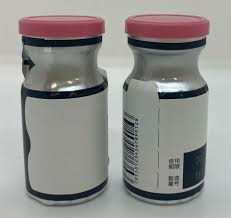
In terms of performance in the treatment of neuralgia, Rozebalamin has shown good safety and tolerability. After several weeks of continuous use, most patients can feel relief from neuralgia, a decrease in pain intensity, and an improvement in their quality of life. Some patients may experience minor injection site reactions or temporary blood pressure fluctuations during the initial treatment period, but the overall incidence of adverse events is low and mostly controllable. Compared with traditional neuropathic pain medications, methylcobalamin focuses more on fundamental improvements in neurological function rather than pure symptom relief.
In general, methylcobalamin injection (Rozebalamin) has the comprehensive advantages of neuroprotection, promotion of repair and relief of neuralgia in the treatment of ALS and related neuropathy. Although its efficacy is affected by individual differences, early intervention and continuous treatment can significantly delay neurodegenerative damage and improve patients' motor function and quality of life. With the accumulation of more clinical data, the value of Rozebalamin in the long-term management of ALS patients and auxiliary treatment of neuralgia will be further confirmed, providing new treatment ideas in this field.
Keyword tag:
Methylcobalamin injection, Rozebalamin, amyotrophic lateral sclerosis, ALS, neuralgia, mechanism of action, efficacy, safety, vitaminsB12
Reference materials:https://pubmed.ncbi.nlm.nih.gov/?term=mecobalamin
[ 免责声明 ] 本页面内容来自公开渠道(如FDA官网、Drugs官网、原研药厂官网等),仅供持有医疗专业资质的人员用于医学药学研究参考,不构成任何治疗建议或药品推荐。所涉药品可能未在中国大陆获批上市,不适用于中国境内销售和使用。如需治疗,请咨询正规医疗机构。本站不提供药品销售或代购服务。


