
.jpeg)
Comparison of the mechanism of action, clinical indications and efficacy differences between daprodustat and roxadustat
Daprodustat and roxadustat (Roxadustat) belong to the same HIF-PHI Oral erythropoietin-like agents stimulate the secretion of endogenous erythropoietin (EPO) by regulating the "hypoxia-inducible factor pathway", thereby correcting anemia. The two mechanisms have the same core, but there are differences in molecular structure, enzyme inhibitory properties and in vivo metabolism, which make them slightly different in the duration of drug effect and the rate of hemoglobin increase. Roxadustat has a more comprehensive inhibition of HIF-PH , while daprostat is more targeted in terms of enzyme subtype selectivity. Therefore, some studies have pointed out that dapustat is more likely to bring about a smoother Hb increase, while roxadustat has a relatively faster onset of action.
In terms of clinical indications, both are mainly used for the treatment of anemia in chronic kidney disease (CKD). Roxadustat is currently widely used in non-dialysis and dialysis patients in China, with mature indications and a large clinical user population. As a relatively new drug, daprostat has been gradually approved in many countries and is currently widely used in dialysis patients and some non-dialysis CKD populations. However, its specific indications will vary slightly depending on the regulatory approval status of different countries. Overall, roxadustat has "broader coverage," while daprostat is in the stage of gradually expanding its indications.
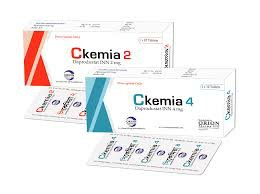
From a comparison of efficacy, both can effectively increase hemoglobin and reduce dependence on exogenous EPO and iron, but research shows that their efficacy is slightly different. Roxadustat has advantages in improving functional iron deficiency and improving iron utilization, making it better suited in some patients with abnormal iron metabolism. Daprostat is better evaluated in terms of stability of Hb control. Many studies believe that it has smaller fluctuations and is more suitable for patients who need to maintain stable Hb levels for a long time. In addition, daprostat has relatively mild effects on lipid metabolism, while roxadustat sometimes causes metabolic changes such as mild hypolipidemia, which is also part of the pharmacological difference between the two.
In terms of safety, common adverse reactions include hypertension, headache, digestive discomfort, etc., but the overall tolerance is good. Roxadustat has been observed in some studies to increase the potential signal of thrombosis risk, so patients with a history of thrombosis risk should be used with caution in clinical practice. The risk data of daprostat is still under long-term follow-up observation. Taken together, both are important oral options for the treatment of CKD anemia. The selection is usually based on the patient's iron metabolism status, underlying diseases, dialysis type, thrombosis risk and other factors, and the doctor will formulate the most appropriate treatment strategy.
Keyword tag:
Daprostat, HIF-PHinhibitor, anemia, chronic kidney disease, CKD, mechanism of action, roxadustat, efficacy comparison, clinical indications, safety
Reference materials:https://pubmed.ncbi.nlm.nih.gov/?term=daprodustat
[ 免责声明 ] 本页面内容来自公开渠道(如FDA官网、Drugs官网、原研药厂官网等),仅供持有医疗专业资质的人员用于医学药学研究参考,不构成任何治疗建议或药品推荐。所涉药品可能未在中国大陆获批上市,不适用于中国境内销售和使用。如需治疗,请咨询正规医疗机构。本站不提供药品销售或代购服务。


