
.jpeg)
The main functions and efficacy of durvalumab (durvalumab) and its performance in immunotherapy
Durvalumab (Durvalumab) is a programmed death ligand-1 (PD-L1) inhibitor and is one of the commonly used immune checkpoint inhibitors. Its main mechanism of action is to restore the ability of T cells to recognize and attack tumor cells by blocking the binding of PD-L1 and PD-1 receptors. Compared with traditional chemotherapy, which only relies on cytotoxic means, durvalumab enhances the anti-tumor response of the body's own immune system by "lifting the immune brake", allowing it to show lasting and profound clinical benefits in a variety of malignant tumors.
In terms of clinical indications, durvalumab is widely used for unresectable III stage non-small cell lung cancer (NSCLC), usually as consolidation treatment after concurrent chemoradiotherapy. Studies have shown that the drug significantly extends progression-free survival (PFS) and overall survival (OS), and reduces the risk of disease progression. It is a landmark drug in the treatment of lung cancer in recent years. In addition, it is also used to treat extensive-stage small cell lung cancer (ES-SCLC), urothelial cancer, hepatocellular carcinoma, etc. Through the immune activation mechanism, it can not only inhibit tumor growth, but also bring lasting remission in some patients. It is an important part of modern tumor treatment.
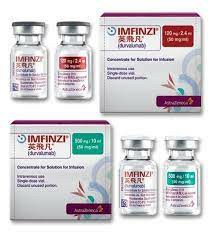
In terms of treatment performance, patients' response to durvalumab has certain individual differences, but most studies have confirmed that its overall efficacy is stable. One of its outstanding advantages is its "long maintenance time". Some patients still maintain stable conditions after stopping the drug, indicating that the immune system has established a lasting anti-tumor memory. For patients with stage III NSCLC, the 5-year survival rate has been significantly improved, becoming a key factor in long-term benefit. Despite this, immunotherapy does not produce significant effects for everyone. Factors such as the expression level of PD-L1 and the tumor immune microenvironment will affect the efficacy.
In terms of safety, durvalumab is generally well tolerated, but its immune-related adverse reactions still require special attention, such as rash, thyroid dysfunction, enteritis, pneumonia, etc. Immune pneumonia is considered a risk that requires special vigilance during use. Once symptoms such as cough, chest tightness, and shortness of breath occur, seek medical attention as soon as possible. Overall, durvalumab has become an important choice for the treatment of various cancers due to its outstanding efficacy, long-lasting control ability and immunotherapy advantages, especially for patients who require sustained disease control after radiotherapy and chemotherapy.
Keyword tag:
Durvalumab, durvalumab, PD-L1 inhibitors, immunotherapy, non-small cell lung cancer, NSCLC, mechanism of action, clinical indications, efficacy, safety, immune-related adverse reactions
Reference:https://en.wikipedia.org/wiki/Durvalumab
[ 免责声明 ] 本页面内容来自公开渠道(如FDA官网、Drugs官网、原研药厂官网等),仅供持有医疗专业资质的人员用于医学药学研究参考,不构成任何治疗建议或药品推荐。所涉药品可能未在中国大陆获批上市,不适用于中国境内销售和使用。如需治疗,请咨询正规医疗机构。本站不提供药品销售或代购服务。


