
.jpeg)
Whether the clinical efficacy evaluation of Zolbetuximab is worth looking forward to and its safety analysis
Zolbetuximab (Zolbetuximab) is a monoclonal antibody targeting mucin 16 (CLDN18.2). It has received great attention in gastric cancer treatment research in recent years. CLDN18.2 is a gastric mucosa-specific tight junction protein that is highly expressed in gastric cancer cells, making it a precise and relatively specific therapeutic target. The mechanism of action of zotuximab mainly relies on antibody-dependent cell-mediated cytotoxicity (ADCC) and complement-dependent cytotoxicity (CDC) to help the immune system attack tumor cells more effectively. Because its target is highly selective and can theoretically reduce damage to normal tissue, it is regarded as one of the most promising gastric cancer targeted drugs in recent years.
In clinical studies, the efficacy of zotuximab is highly anticipated. In the GLOW study and the SPOTLIGHT study, the drug was compared with standard chemotherapy regimens such as CAPOX, FOLFOX), the combined use significantly prolonged the progression-free survival (PFS) and overall survival (OS) of patients with advanced or metastatic CLDN18.2-positive gastric cancer. For example, some studies show that the median PFS of the combination therapy group is nearly 3 months longer than that of the chemotherapy group, and the improvement in OS is even more obvious. This result is of great significance to the field of gastric cancer, which is progressing rapidly and has limited traditional treatment options. It is worth noting that its efficacy is closely related to the expression level of CLDN18.2, with patients with high expression (such as ≥ 75%) benefiting most. This further illustrates that the advantages of this drug are concentrated in a precise population, rather than being universally applicable to all gastric cancer patients.
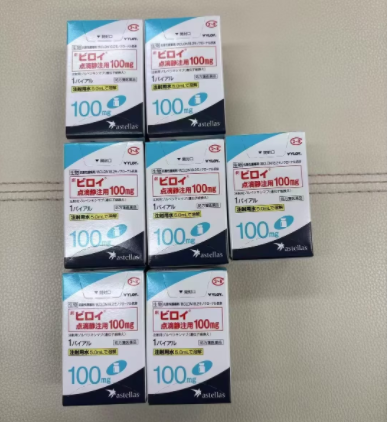
Based on patient feedback, zotuximab has shown good clinical stability in combination with chemotherapy. Many patients experienced changes such as tumor shrinkage, symptom improvement, and improved quality of life during treatment. Some people with high CLDN18.2 expression achieved "deep remission" close to the characteristics of targeted therapy. These real-world feedback further enhance expectations that it will become an important breakthrough in the treatment of gastric cancer. However, it should be emphasized that the efficacy is not equally significant in all patients, thoseCLDN18.2Patients with low expression or strong tumor heterogeneity will have relatively limited benefit, which suggests that accurate detection of targets before drug use is critical in clinical practice.
In terms of safety, the side effects of zotuximab show a certain regularity, among which gastrointestinal adverse reactions such as nausea and vomiting are the most common. This is related to the special physiological distribution of CLDN18.2 in gastric tissue, making the drug inevitably affect some gastric mucosal functions. Some patients may experience significant nausea in the early stages of treatment, but most can be controlled with preventive antiemetic drugs. In addition, fatigue, loss of appetite, diarrhea, etc. are also common reactions. More serious immune-related or infusion reactions are relatively rare, and the overall safety profile is better than most traditional chemotherapy regimens. Overall, although the gastrointestinal side effects are more prominent, they are tolerated by most patients and do not affect long-term efficacy.
Overall, zotuximab is considered an important development direction for future gastric cancer treatment due to its clear target, significant survival benefit, controllable safety, and advantages brought by the trend of precision medicine. Its main advantages are concentrated in patients with high expression of CLDN18.2 and is expected to become the first-line standard treatment for this specific population. As more clinical trials and real-world data accumulate, its long-term efficacy, resistance mechanisms and combination treatment strategies will become clearer. Judging from the current evidence, the efficacy of zotuximab is indeed worth looking forward to, and it is one of the most breakthrough drugs in the precision treatment pipeline for gastric cancer in recent years.
Keyword tag:
Zotuximab,CLDN18.2, gastric cancer, efficacy, safety, targeted therapy, indications, adverse reactions, research and development progress
Reference materials:https://en.wikipedia.org/wiki/Zolbetuximab
[ 免责声明 ] 本页面内容来自公开渠道(如FDA官网、Drugs官网、原研药厂官网等),仅供持有医疗专业资质的人员用于医学药学研究参考,不构成任何治疗建议或药品推荐。所涉药品可能未在中国大陆获批上市,不适用于中国境内销售和使用。如需治疗,请咨询正规医疗机构。本站不提供药品销售或代购服务。


