
.jpeg)
The authoritative instructions for ribociclib (Kaillon) include indications, contraindications, adverse reactions and precautions
Ribociclib is a selective CDK4/6 inhibitor currently used for hormone receptor-positive, HER2
In terms of indications, ribociclib is mainly used for two types of patients. The first category is premenopausal or postmenopausal women with HR+/HER2− advanced breast cancer, who are usually used in combination with aromatase inhibitors (such as letrozole, anastrozole). In clinical trials MONALEESA-2, 3, 7, ribociclib combined with endocrine drugs can significantly extend the progression-free survival of patients and improve overall survival (OS), and is the first-line standard recommended regimen. The second category of indications is for combined use with fulvestrant, which is suitable for HR+/HER2- patients who have progressed on previous endocrine therapy. Particularly in younger premenopausal patients, its efficacy may be further enhanced when combined with a salmon calcitonin analogue. The instructions clearly state that ribociclib is not suitable for HER2 positive breast cancer, nor for triple-negative breast cancer.
In terms of contraindications, the instructions for ribociclib indicate that it is contraindicated in those with severe allergies to the active ingredients or excipients of ribociclib. In addition, use is not recommended in patients with severe hepatic impairment (Child-Pugh C) because the drug is metabolized in the liver and severe hepatic impairment can lead to drug accumulation and increased toxicity. The instructions also indicate that patients with a prolonged QT interval or those taking drugs that can significantly prolong the QT interval should be cautious or even avoid it, because ribociclib may cause prolongation of the electrocardiogram QTc interval, posing a risk of arrhythmia. At the same time, women who are pregnant, planning to become pregnant, and breastfeeding are prohibited from using this drug because preclinical studies have shown that it may cause fetal developmental toxicity and reproductive toxicity. They must undergo a pregnancy test before taking the drug and take effective contraceptive measures.
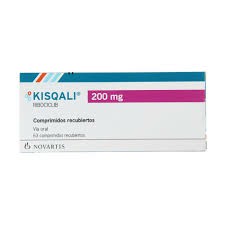
In terms of adverse reactions, the authoritative instructions list that the most common reactions of ribociclib include neutropenia, leukopenia, anemia and fatigue, which are mainly related to its inhibition of the cell cycle. In particular, neutropenia is one of the adverse events that require the most attention. About 60% or more of patients will experience a decrease in varying degrees, and some patients may drop to grade 3~4. Therefore, blood routine monitoring needs to be continued during treatment. The second type of common adverse reactions is liver function abnormalities, including increases in ALT and AST, which are usually more obvious in the early stages of treatment, so liver enzymes should be monitored frequently before treatment and in the first few weeks of treatment. The third type of important adverse reaction is QTc interval prolongation, with an incidence rate of about 3%—6%. High-risk patients need to undergo ECG monitoring before, during and after medication. In addition, nausea, diarrhea, rash, hair loss, headache, etc. are also relatively common, but most of them are mild to moderate and can be relieved through symptomatic and supportive treatment.
In terms of precautions, the instructions emphasize the need for strict monitoring throughout the treatment process. First of all, before treatment, liver and kidney function, electrocardiogram, blood routine and electrolytes should be assessed, and serum potassium, calcium and magnesium should be ensured to be within the normal range to reduce the risk of QT prolongation. Secondly, the initial blood routine review is usually required on the 14 day of the medication cycle, because neutropenia is most likely to occur at this time. In addition, repeated inspections are required before the start of each cycle. Third, when neutropenia occurs, the dose should be suspended or reduced according to the grade, rather than blindly discontinued. The instructions provide detailed dosage adjustment standards, such as reducing from 600 mg to 400 mg and then to 200 mg, and discontinuing the drug when severe toxicity cannot be controlled. There are also clear dosage adjustment guidelines for liver enzyme abnormalities and QTc prolongation, with the aim of minimizing risks while ensuring efficacy.
In summary, the instructions for ribociclib comprehensively and systematically regulate its indications, contraindications, adverse reactions and precautions, providing clear guidance for safe clinical use. As a type of basic targeted drug, its efficacy is reliable, but it must strictly follow the instructions and clinical monitoring requirements, use it rationally, and manage it standardizedly, so that patients can maximize their benefits while reducing the risk of serious toxic events.
Keyword tag:
Ribociclib, Kelilon,CDK4/6Inhibitors, breast cancer, instructions, indications, contraindications, adverse reactions, precautions, side effect management, dose adjustment
Reference materials:https://pmc.ncbi.nlm.nih.gov/articles/PMC12464853/
[ 免责声明 ] 本页面内容来自公开渠道(如FDA官网、Drugs官网、原研药厂官网等),仅供持有医疗专业资质的人员用于医学药学研究参考,不构成任何治疗建议或药品推荐。所涉药品可能未在中国大陆获批上市,不适用于中国境内销售和使用。如需治疗,请咨询正规医疗机构。本站不提供药品销售或代购服务。


