
.jpeg)
Which class of antibiotics does linezolid (Siwo) belong to and its clinical position in bacterial infections?
Linezolid (Linezolid) belongs to the oxazolidinones (Oxazolidinones) antibiotics and is the earliest first-line representative of similar drugs currently widely used in clinical practice. This type of antibiotic works by inhibiting bacterial protein synthesis. Its main mechanism is to bind to the bacterial ribosome 50S subunit and block the formation of the initiation complex, thereby effectively inhibiting bacterial growth. Linezolid is a typical bacteriostatic drug, but it can also show bactericidal effects on certain bacteria (such as Streptococcus) under specific circumstances. Its unique antibacterial mechanism makes it important in the treatment of drug-resistant Gram-positive bacteria.
In terms of clinical positioning, linezolid is mainly used to treat serious infections caused by drug-resistant Gram-positive bacteria, including methicillin-resistant Staphylococcus aureus (MRSA), vancomycin-resistant enterococci (VRE), drug-resistant streptococci and other related diseases. It is often used in patients who are ineffective or allergic or intolerant to other antibiotics, and can cover hospital-acquired pneumonia, community-acquired pneumonia, complex skin and soft tissue infections, bone and joint infections, and some central nervous system infections. Because oral and intravenous doses are equivalent, linezolid is also important in sequential therapy, allowing patients to transition from intravenous to oral medication earlier.
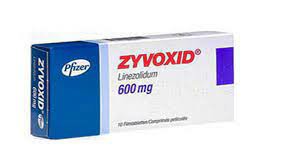
Linezolid has outstanding clinical value in dealing with drug-resistant bacteria, but due to its high cost and strong need for adverse reaction monitoring, it is not used as a first-line antibiotic for common infections. Instead, it is positioned as one of the key treatment drugs for "severe infections" or "drug-resistant infections". Especially in pneumonia and bacteremia caused by MRSA or VRE, when drugs such as vancomycin and teicoplanin are unsatisfactory or unavailable, linezolid often becomes an alternative. In addition, linezolid can enter lung tissue and the central nervous system well, and it also has advantages in infections at difficult-to-treat sites.
Despite its reliable efficacy, the use of linezolid must be strictly regulated to avoid abuse leading to further expansion of drug resistance. Long-term use of linezolid (usually more than 14 days) may cause bone marrow suppression, thrombocytopenia, peripheral neuropathy, lactic acidosis and other risks. Therefore, blood routine and lactic acid levels need to be regularly monitored during treatment, and the course of treatment needs to be carefully evaluated. In general, linezolid is an important weapon against drug-resistant Gram-positive bacteria. It has a clear clinical positioning and significant advantages. However, it must be used rationally under the guidance of a doctor to avoid drug resistance and safety problems caused by improper application.
Keyword tag:
Linezolid, Siwo, antibiotic classification, oxazolidinones, drug-resistant Gram-positive bacteria, MRSA, VRE, clinical positioning, severe infections, dosage form differences
Reference:https://en.wikipedia.org/wiki/Linezolid
[ 免责声明 ] 本页面内容来自公开渠道(如FDA官网、Drugs官网、原研药厂官网等),仅供持有医疗专业资质的人员用于医学药学研究参考,不构成任何治疗建议或药品推荐。所涉药品可能未在中国大陆获批上市,不适用于中国境内销售和使用。如需治疗,请咨询正规医疗机构。本站不提供药品销售或代购服务。


