
.jpeg)
Analysis of usage, dosage and precautions in Mitotane tablet instructions
Mitotane is an oral drug specifically used to treat adrenocortical cancer (Adrenocortical Carcinoma, ACC). It is one of the few drugs in the world that can directly act on adrenocortical tissue. It is widely used in patients with advanced stage, inoperable or high risk of postoperative recurrence. Due to its special pharmacological mechanism, it not only has cytotoxic effects, but also affects the production of steroid hormones in the body. Therefore, during the actual medication process, it is necessary to strictly follow the usage and dosage in the instructions, and pay close attention to possible drug reactions. The therapeutic goal of mitotane is not short-term effects, but to inhibit tumor progression by gradually reaching a steady state of blood concentration. Therefore, its medication principles, monitoring requirements and precautions are extremely important.
In terms of usage and dosage, mitotane usually starts with a small dose and is gradually increased to reduce gastrointestinal adverse reactions and improve tolerance. Most instructions recommend an initial dose of 2–3 grams divided into 2–3 times with meals to aid absorption and reduce irritation. Subsequently, the doctor will gradually adjust the dosage according to the patient's blood concentration, with the ultimate goal of keeping the blood concentration within the therapeutic range of 14–20 mg/L , which is considered to have the best anti-tumor effect. Since mitotane has an extremely long half-life in the body, which can last from weeks to months, it often takes 1–3 months to reach a stable concentration. In some well-tolerated patients, the dose may be increased to 6–10 g daily, but with great caution. There are large individual differences between different patients, so dosage adjustment must be done under the guidance of a specialist, and do not increase the dosage on your own.
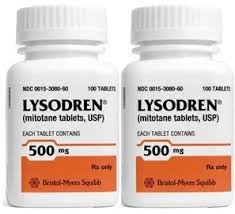
In terms of precautions, the most concerning thing about mitotane is its inhibitory effect on adrenal function, because the drug will reduce cortisol synthesis in the body, leaving patients in a state similar to adrenocortical insufficiency. Therefore, physiological doses of glucocorticoids, such as hydrocortisone, need to be routinely supplemented during use to avoid hypotension, electrolyte imbalance, severe fatigue and even adrenal crisis. All patients need regular monitoring of cortisol levels and electrolytes, especially changes in sodium and potassium. In addition, because mitotane induces liver enzymes that accelerate the metabolism of related drugs, many hormone replacement drugs require higher doses to maintain normal effects. Doctors usually adjust hormone supplementation regimens based on clinical symptoms and laboratory indicators.
Mitotane can also cause a variety of systemic side effects, so monitoring is clearly required in the labeling. Gastrointestinal discomfort, such as nausea, vomiting, diarrhea and changes in taste, is the most common and is often evident in the initial stages. Patients can appropriately reduce the dose or take it in divided doses with food to improve tolerance. Central nervous system effects include drowsiness, confusion, dizziness or cognitive decline. These symptoms may be aggravated if the blood concentration is too high, so regular monitoring of blood levels is extremely important. Mitotane may also cause hyperlipidemia, so long-term users need to check their blood lipids regularly and be given lipid-lowering drugs if necessary. In addition, female patients may experience menstrual irregularities and men may experience fluctuations in hormone levels, all of which are related to the drug's suppression of adrenal hormones.
Special attention should be paid to drug interactions during use. Because mitotane has a strong liver enzyme induction effect, it will reduce the blood levels of many drugs, including anticoagulants, anti-epileptic drugs and hormonal drugs, and may even lead to treatment failure. Patients must consult their doctor before taking any new medicines to avoid the risk of interactions. In addition, mitotane is fat-soluble and will accumulate in adipose tissue in the body for a long time. Therefore, the drug may continue to be released for several months after stopping the drug, which may continue to affect endocrine function and drug metabolism. This long-term residual profile requires patients to follow a strict follow-up schedule and continue to monitor even when the drug is discontinued.
In general, the usage, dosage and precautions of mitotane determine that its clinical use requires a high level of professional management. It is not an ordinary chemotherapy drug, but a special treatment plan that requires long-term monitoring of blood drug concentrations, hormone levels and adverse reactions. Standardized treatment can not only improve drug efficacy, but also significantly reduce side effects and life-threatening risks. Patients should maintain close communication with their doctors and strictly abide by dose adjustment principles, monitoring plans and hormone replacement treatment plans to ensure the best anti-tumor effect under the premise of safety.
Keyword tag:
Mitotan, adrenocortical carcinoma, ACC, usage and dosage, precautions, blood concentration monitoring, adrenal function suppression, hormone replacement, gastrointestinal reactions, central nervous system effects, drug interactions, long-term accumulation
Reference materials:https://go.drugbank.com/drugs/DB00648
[ 免责声明 ] 本页面内容来自公开渠道(如FDA官网、Drugs官网、原研药厂官网等),仅供持有医疗专业资质的人员用于医学药学研究参考,不构成任何治疗建议或药品推荐。所涉药品可能未在中国大陆获批上市,不适用于中国境内销售和使用。如需治疗,请咨询正规医疗机构。本站不提供药品销售或代购服务。


