
.jpeg)
Key matters that patients need to pay attention to during the use of ivonib (Tosuvo)
Ivosidenib is mainly used in clinical treatment for acute myeloid leukemia (AML) carrying IDH1 mutations and cholangiocarcinoma and other tumor diseases. Patients need to strictly follow medical instructions during use, because although the drug has a clear target, it may affect liver function, electrolytes and cardiac rhythm during its action, so regular monitoring is the key to treatment. IDH1 gene testing is usually required before treatment to ensure drug matching, improve effectiveness and avoid ineffective medication. Do not increase or decrease the dose at will during medication. Especially when adverse reactions occur, you should report to your doctor promptly and let a professional evaluate whether the regimen needs to be adjusted.
The second priority is to monitor for the possible development of differentiation syndrome (Differentiation Syndrome), especially when used in patients with acute myeloid leukemia. This is a potentially serious but controllable reaction that usually occurs within the first few weeks to months after taking the drug. Symptoms may include fever, difficulty breathing, rapid weight gain, hypotension, or worsening of kidney function. Once similar symptoms occur, the doctor needs to be notified immediately, and glucocorticoids are usually used for intervention, and ivonib treatment may be temporarily interrupted. Patients and their families need to be familiar with these signals in advance to detect risks at an early stage.
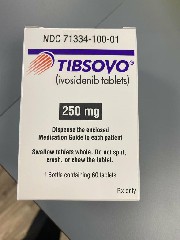
In addition, ivonib may affect liver metabolism, so liver function needs to be monitored regularly before treatment and during use, including ALT, AST, bilirubin and other indicators. If a significant increase is detected, the doctor may adjust the dose or suspend the medication. Since ivonib may also cause QT interval prolongation and there is a risk of arrhythmia, electrocardiogram monitoring is equally important; patients need to avoid concurrent use of drugs that can further prolong QT and pay attention to electrolyte balance. For example, low serum potassium and serum magnesium will increase the incidence of cardiac adverse events.
Finally, during treatment with ivonib, you should try to avoid taking it with strong CYP3A4 inhibitors or inducers, so as not to affect the drug concentration and lead to a decrease in efficacy or an increase in side effects. Patients also need to pay attention to hydration, avoid drinking alcohol, maintain a balanced diet, and provide timely feedback to the doctor about their status. Overall, the safe use of ivonib depends on standardized monitoring, understanding of risk signals and drug interaction management. Under professional guidance, it can maximize the efficacy and reduce safety risks.
Keyword tag:
Ivonib, Tosovo, IDH1inhibitors, targeted drugs, acute myeloid leukemia, AML, cholangiocarcinoma, precautions, differentiation syndrome, liver function monitoring, QTInterval prolongation, CYP3A4interaction, medication safety
Reference materials:https://go.drugbank.com/drugs/DB14568
[ 免责声明 ] 本页面内容来自公开渠道(如FDA官网、Drugs官网、原研药厂官网等),仅供持有医疗专业资质的人员用于医学药学研究参考,不构成任何治疗建议或药品推荐。所涉药品可能未在中国大陆获批上市,不适用于中国境内销售和使用。如需治疗,请咨询正规医疗机构。本站不提供药品销售或代购服务。


