
.jpeg)
Gefapixant Citrate Medication Precautions List
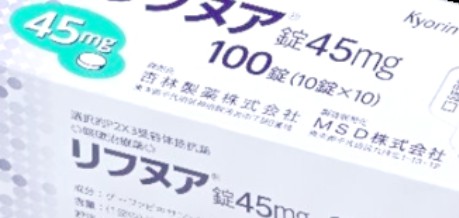
Gefapixant Citrate (Gefapixant Citrate) is a new type of P2X3 receptor antagonist, mainly used to treat chronic cough, especially refractory or unexplained chronic cough. However, like all medications, there are some key safety and treatment considerations that need to be noted during use of Gemfapixen to ensure its efficacy and reduce potential side effects. The following are the main medication precautions for Gifapixin.
1. Use for patients with obstructive sleep apnea (OSA)
Extreme caution should be used when using Gemfapixen to treat chronic cough, especially in patients with obstructive sleep apnea (OSA). Patients with OSA should consider receiving appropriate therapy before initiating treatment with gemfapixin. Especially when using Gemfapixin clinically, medical staff need to evaluate the patient's sleep breathing status and make necessary treatment adjustments to avoid adverse reactions caused by hypoxemia.
2. Hypersensitivity reaction
Gemfapixin contains a sulfonamide moiety and may cause allergic reactions, especially in patients with a history of allergy to sulfa drugs. Although gemfapixin is considered a nonsulfonyl aromatic amide, no specific studies have been conducted to confirm its cross-sensitivity in patients allergic to sulfonamides. Therefore, patients with known hypersensitivity to sulfonamides should be treated with extreme caution to avoid possible allergic reactions. If you develop allergy symptoms, such as rash, shortness of breath, or throat swelling, you should stop taking this medicine immediately and consult your doctor.
3. Acute lower respiratory tract infection
During treatment, if a patient develops an acute lower respiratory tract infection, especially an infection associated with chronic cough, doctors should carefully evaluate the use of Gemfapixin and decide whether to continue treatment or adjust the treatment plan. Acute lower respiratory tract infection may affect the effect of the drug or interact with the action of gemfapixin, so treatment needs to be adjusted on an individual basis. In this case, the patient may need to withhold treatment with Gemfapixin until the infection is controlled.
4. Taste-related adverse reactions
One of the common side effects of Gemfapixen in clinical studies was changes in taste. Many patients experience unpleasant taste sensations, such as a metallic taste or other oral odors, when using Gemfapixen. These adverse reactions are transient in most patients and usually resolve quickly after discontinuation of the drug, with a median recovery time of 5 days. However, adverse taste reactions in a small number of patients may persist for up to more than a year, which may affect patient medication compliance. While taste changes themselves are usually not life-threatening, doctors may need to consider adjusting treatment strategies when they affect a patient's quality of life long-term.
5. Excipient ingredients
Gilfapixin contains less than 1 mmol (23 mg) of sodium per tablet, meaning almost no sodium. Therefore, Gemfapixin is a safer treatment option for patients who need to strictly limit their sodium intake (such as those with kidney disease or hypertension). However, although the sodium content of the drug itself is very low, patients should still pay attention to other possible excipient ingredients during use, especially those who are allergic to certain excipient ingredients.
Keyword tags: Gefapixant Citrate,Gefapixant Citrate, medication precautions, obstructive sleep apnea, hypersensitivity reaction, acute lower respiratory tract infection, adverse taste reaction, excipients, chronic cough
Reference materials:https://synapse.patsnap.com/article/what-is-the-therapeutic-class-of-gefapixant-citrate
[ 免责声明 ] 本页面内容来自公开渠道(如FDA官网、Drugs官网、原研药厂官网等),仅供持有医疗专业资质的人员用于医学药学研究参考,不构成任何治疗建议或药品推荐。所涉药品可能未在中国大陆获批上市,不适用于中国境内销售和使用。如需治疗,请咨询正规医疗机构。本站不提供药品销售或代购服务。


