
.jpeg)
Introduction: Instructions for bimetinib/bemetinib
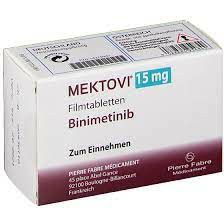
Binimetinib, trade name MEKTOVI, is a kinase inhibitor primarily used to treat tumors driven by BRAF mutations, including unresectable or metastatic melanoma and metastatic non-small cell lung cancer (NSCLC). It is used in combination with encorafenib, which is approved by the FDA for patients with cancers with certain BRAF V600E or V600K mutations. The pharmacological effects of bimetinib mainly affect cell proliferation and tumor growth by inhibiting the activities of MEK1 and MEK2.
1. Indications: The main indications of bimetinib include:
1. Unresectable or metastatic melanoma: Bimetinib in combination with encofenib is suitable for patients with BRAF V600E or V600K mutations as determined by FDA-approved testing. BRAF mutations are a common genetic variation in melanoma, and the combination of this drug can help improve patient response to treatment.
2. Metastatic non-small cell lung cancer (NSCLC): Bimetinib combined with encofenib is suitable for adult patients with metastatic NSCLC with BRAF V600E mutation detected. With targeted therapy, tumor control in these patients has been significantly improved.
2. Usage and dosage: The dosage and dosage of bimetinib vary according to the patient’s condition and specific indications:
1. Melanoma: Before starting to use bimetinib, the presence of BRAF V600E or V600K mutation must be confirmed in the tumor specimen. The recommended dose is 45 mg orally twice daily, with or without food. For patients with moderate or severe hepatic impairment, the recommended dose is 30 mg orally twice daily. During treatment, the doctor will adjust the dosage according to the patient's tolerance.
2. Non-small cell lung cancer (NSCLC): Similarly, before starting bimetinib treatment, the presence of the BRAF V600E mutation must be confirmed in the tumor or plasma sample. The recommended dose is 45 mg orally twice daily, with or without food. Dose adjustments may also be necessary during treatment based on patient response and tolerability.
3. Adverse reactions: The most common adverse reactions of bimetinib include:
1. Fatigue: Many patients will feel fatigue when receiving bimetinib treatment, which may affect daily activities.
2. Nausea and vomiting: Some patients may experience symptoms of nausea or vomiting, which are usually related to drug treatment.
3. Diarrhea: Diarrhea is a common side effect during treatment, and patients need to pay attention to hydration.
4. Abdominal discomfort: including abdominal pain, loss of appetite and other symptoms, which may affect the patient's overall comfort.
Most of these side effects are mild and improve as the body adapts to the medication. However, some patients may experience more severe adverse reactions and require appropriate management under the guidance of a physician.
4. Pharmacological effects
Bimetinib inhibits tumor growth by inhibiting the activities of MEK1 and MEK2 and interfering with the extracellular signal-related kinase (ERK) pathway. In tumor cells, MEK protein is an upstream regulator of the ERK pathway and is involved in cell proliferation and growth. Bimetinib inhibits MEK1 and MEK2 and reduces the phosphorylation level of ERK, thereby slowing down the proliferation of tumor cells. In clinical studies, bimetinib has been shown to effectively inhibit tumor growth caused by BRAF mutations, especially in melanoma and non-small cell lung cancer, showing significant efficacy.
5. Storage
Bimetinib should be storedat 20°C to 25°C (68°F to 77°F) and allow temperature fluctuations between 15°C and 30°C (59°F to 86°F). Medications should be kept in their original packaging and protected from moisture and direct sunlight. Make sure medicine is kept away from children to avoid accidental ingestion.
6. Summary
Bimetinib, as a targeted drug targeting BRAF mutations, has significant efficacy in the treatment of unresectable or metastatic melanoma and metastatic non-small cell lung cancer. Its pharmacological effects regulate cell signaling by inhibiting MEK1 and MEK2, thereby inhibiting tumor growth. Although the side effects of bimetinib are generally mild, you still need to pay attention to possible symptoms such as fatigue, nausea, and diarrhea. During use, patients should follow the doctor's dosage and medication instructions, and regularly monitor their health status to ensure the effectiveness and safety of the treatment.
Keyword tags: bimetinib, bemetinib,Binimetinib, MEKTOVI, melanoma, non-small cell lung cancer, BRAF mutation, pharmacological effects, dosage, adverse reactions
Reference materials:https://www.accessdata.fda.gov/drugsatfda_docs/label/2018/210498lbl.pdf
[ 免责声明 ] 本页面内容来自公开渠道(如FDA官网、Drugs官网、原研药厂官网等),仅供持有医疗专业资质的人员用于医学药学研究参考,不构成任何治疗建议或药品推荐。所涉药品可能未在中国大陆获批上市,不适用于中国境内销售和使用。如需治疗,请咨询正规医疗机构。本站不提供药品销售或代购服务。


