
.jpeg)
Differences between commonly used anti-tuberculosis drugs Pretomanid and rifampin and analysis of combination treatment strategies
Pretomanid (Pretomanid) is a new anti-tuberculosis drug, which belongs to the nitroimidazole compound. It is mainly used for the treatment of multi-drug-resistant tuberculosis (MDR-TB) and extensively drug-resistant tuberculosis (XDR-TB). Compared with traditional first-line anti-tuberculosis drugs such as rifampin (Rifampicin), isoniazid (Isoniazid), pyrazinamide (Pyrazinamide), putomanid has a unique mechanism of action. It mainly produces reactive nitrogen free radicals under anaerobic conditions, destroying the cell wall and DNA of Mycobacterium tuberculosis, thereby playing a bactericidal effect. Compared with rifampin, which mainly achieves bactericidal activity by inhibiting bacterial RNA polymerase, putomanid has more prominent activity in drug-resistant strains and therefore shows important value in complex tuberculosis cases.
In terms of combination treatment strategies, putomanib is often used in combination with rifampicin, rifapentine or other second-line drugs to create a potent anti-tuberculosis regimen. Especially in the treatment of multidrug-resistant or extensively drug-resistant tuberculosis, the use of single drugs often has limited efficacy and easily leads to the occurrence of drug resistance. Combination drug use can reduce the risk of drug resistance through multi-target bactericidal treatment. For example, in the BPaL regimen, putomanid was used in combination with bedaquiline (Bedaquiline) and lefapentine (Linezolid), showing a higher cure rate and a lower treatment failure rate. This combined strategy not only enhances the bactericidal effect but also shortens the course of treatment, thereby improving patient compliance.
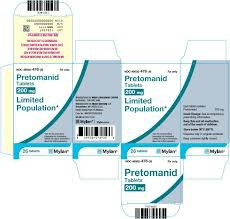
Compared with conventional first-line drugs such as rifampin, putomanid is more effective in drug-resistant strains and anaerobic microenvironments. Rifampin and other drugs have a good bactericidal effect on rapidly growing Mycobacterium tuberculosis, but their bactericidal effect decreases under hypoxic or latent conditions. Putomanid can maintain bactericidal activity in a low-oxygen environment, so it has unique advantages for patients with latent tuberculosis bacteria in the body or a high risk of recurrence. In addition, the resistance spectrum of putomanib is different from that of first-line drugs, making it complementary in combination regimens to improve the overall efficacy.
In clinical application, the treatment regimen of putomanid combined with traditional anti-tuberculosis drugs requires individualized design. Doctors will formulate the optimal combination plan based on the patient's drug resistance, previous medication history, liver and kidney function, and accompanying diseases. During combined medication, potential adverse reactions, such as abnormal liver function, peripheral neuropathy, or bone marrow suppression, need to be monitored to ensure treatment safety. Research shows that a reasonable combination regimen can not only improve the cure rate, but also reduce the side effects of treatment, providing effective and accessible treatment options for patients with drug-resistant tuberculosis.
Overall, putomani, as a new anti-tuberculosis drug, has shown important value in the treatment of multi-drug-resistant and extensively drug-resistant tuberculosis. Compared with conventional drugs such as rifampin, it has higher bactericidal ability against drug-resistant strains and low oxygen environments, and exerts a synergistic effect through a combination drug strategy. Clinically, through scientifically designed combination regimens and individualized dosage adjustments, putomanib can significantly improve the treatment outcomes of drug-resistant tuberculosis patients while ensuring drug safety, providing a new and important tool for modern tuberculosis treatment.
Keyword tags: putomanid, rifampicin, anti-tuberculosis drugs, difference, combination therapy, MDR-TB, XDR-TB, mechanism of action, drug resistance.
Reference materials:https://www.accessdata.fda.gov/drugsatfda_docs/label/2019/212862s000lbl.pdf
[ 免责声明 ] 本页面内容来自公开渠道(如FDA官网、Drugs官网、原研药厂官网等),仅供持有医疗专业资质的人员用于医学药学研究参考,不构成任何治疗建议或药品推荐。所涉药品可能未在中国大陆获批上市,不适用于中国境内销售和使用。如需治疗,请咨询正规医疗机构。本站不提供药品销售或代购服务。


