
.jpeg)
Differences and analysis of combined use of Pitolisant and venlafaxine in the treatment of drowsiness
Pitolisant (Pitolisant) is a selective histamine H3 receptor antagonist/span>inverse agonist, mainly used to treat narcolepsy (narcolepsy) and related central excessive sleepiness. Its mechanism is by blocking the self-inhibitory effect of H3 receptors and enhancing the activity of the histamine nervous system, thereby increasing the level of central arousal. Compared with traditional central nervous system stimulant drugs, tilorisen improves daytime sleepiness and has less impact on patients' nighttime sleep, so it has good safety and tolerability. In clinical practice, tilorisen is usually used as a monotherapy in patients with narcolepsy, especially for patients who are intolerant to traditional stimulants or who are accompanied by sleep structure disorders.
Venlafaxine (Venlafaxine) is a serotonin-norepinephrine reuptake inhibitor ( SNRI) is not the first-line treatment for narcolepsy, but venlafaxine has a certain auxiliary effect for patients with cataplexy symptoms (cataplexy). Venlafaxine indirectly increases arousal and reduces the frequency of cataplexy attacks by enhancing the activity of norepinephrine and serotonin in the central nervous system. Clinical studies have shown that venlafaxine has limited effect in improving symptoms related to narcolepsy, but it can significantly alleviate the symptoms of cataplexy in some patients, providing a reference for individualized treatment.
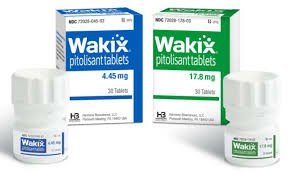
In terms of combined medication, tilorisen and venlafaxine can be combined reasonably according to the patient's symptom characteristics. For patients with narcolepsy associated with severe cataplexy, tilolixane alone may mainly improve daytime sleepiness, but the symptoms of cataplexy are still difficult to completely control. In this case, venlafaxine can be moderately combined under the guidance of a doctor to simultaneously improve sleepiness and cataplexy symptoms through dual mechanisms. When using combined medications, attention should be paid to drug interactions and adverse reactions, such as increased heart rate, increased blood pressure, or mild headaches, and regular monitoring of cardiovascular indicators and mental status is required.
Dose adjustment of combination therapy usually requires individualization. Doctors will start with a low dose and gradually adjust it according to the patient's age, weight, symptom severity and drug tolerance to achieve optimal efficacy and minimal side effects. At the same time, patients should maintain good living habits during combined medication, avoid excessive stimulation at night, ensure regular sleep, conduct regular follow-up evaluations, and optimize treatment plans in a timely manner according to changes in symptoms.
In addition, clinical practice has found that tilolixen alone is effective in treating daytime sleepiness, but it has limited control over cataplexy; although venlafaxine is mainly used to improve cataplexy symptoms, it is limited in improving arousal. Therefore, the combined use of the two can achieve complementary effects and perform more optimally in controlling the complex symptoms of narcolepsy. During the patient's combined treatment, doctors will continue to pay attention to drug tolerance and possible adverse reactions to ensure safety.
Overall, tilorisen and venlafaxine each have their own advantages in the treatment of narcolepsy. Single drug use is suitable for patients with single symptoms, while combined use is suitable for patients with complex symptoms and obvious cataplexy. Through scientific dose adjustment and standardized follow-up management, patients' daytime sleepiness, cataplexy and quality of life can be improved to the greatest extent, providing a comprehensive clinical treatment strategy.
Keyword tags: tilorisen, venlafaxine, narcolepsy, treatment differences, combination medication, H3receptor antagonist, SNRI, cataplexy, daytime sleepiness.
References:https://www.fda.gov/drugs/news-events-human-drugs/fda-approves-wakix-pitolisant-treatment-daytime-sleepiness-narcolepsy
[ 免责声明 ] 本页面内容来自公开渠道(如FDA官网、Drugs官网、原研药厂官网等),仅供持有医疗专业资质的人员用于医学药学研究参考,不构成任何治疗建议或药品推荐。所涉药品可能未在中国大陆获批上市,不适用于中国境内销售和使用。如需治疗,请咨询正规医疗机构。本站不提供药品销售或代购服务。


