
.jpeg)
Analysis of clinical effects of vosoritide, observation of efficacy in different patients, and summary of medication experience
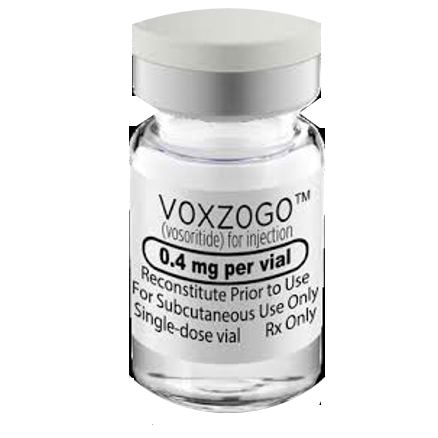
Vosoritide (vosoritide) is a targeted treatment drug for osteogenesis imperfecta (Achondroplasia). Its mechanism is mainly through selective activation of C type calcitonin peptide receptor (CNP receptor, NPR-B), thereby inhibiting the abnormal activation of the FGFR3 signaling pathway, promoting chondrocyte proliferation and differentiation, and improving long bone development abnormalities. The main pathological feature of patients with osteogenesis imperfecta is FGFR3 gene mutations that lead to restricted bone development. Traditional treatments mainly rely on symptomatic support, such as surgical orthopedics and physical therapy. The emergence of vorsolitide provides the possibility of fundamental targeted intervention for the disease.
In clinical trials, versolitide has shown significant efficacy. Phase Ⅰ and Ⅱ study data show that long-term use of vorsoritide can significantly increase the average annual height growth rate (AHV) of children, with a statistically significant increase compared with the placebo group. At the same time, the drug also has certain improvements in limb length, trunk proportions, and posture coordination. Some studies have also observed positive effects of vorsolitide on bone age and skeletal maturity, providing children with growth potential closer to normal development. These data provide a scientific basis for the long-term use of vosolitide.
There are individual differences in the efficacy of different patients. Children who are younger and start intervention early usually show more obvious height improvement, while patients with older bone age or those who have entered puberty have limited growth potential and the height-increasing effect is relatively weakened. In addition, baseline height, type of FGFR3 mutation, and the degree of concomitant spinal or lower limb deformity may also affect efficacy. In clinical practice, doctors usually dynamically adjust the dosage regimen based on the patient's age, height standard deviation (SDS) and growth rate to obtain the best efficacy.
In terms of medication experience, vorsolitide is usually administered as a daily subcutaneous injection, with the dose adjusted according to body weight. Patients and parents need to receive strict injection training to ensure accurate dosage and reasonable injection site, and pay attention to the reaction at the injection site. Common adverse reactions include injection site redness and swelling, hypotension, or mild headache, but are generally well tolerated. Long-term follow-up shows that vorsolitide not only improves height development, but also improves children's quality of life and daily activities, providing a feasible and safe intervention program for clinical practice. Taken together, the clinical application experience of vosolitide shows that early intervention, standardized injections and individualized plans are important factors to ensure maximum efficacy and safety.
Keyword tags: Vosolitide, clinical effect, efficacy observation, achondroplasia, height improvement, individual differences, subcutaneous injection, long-term follow-up.
Reference materials:https://pubmed.ncbi.nlm.nih.gov/34694597/
[ 免责声明 ] 本页面内容来自公开渠道(如FDA官网、Drugs官网、原研药厂官网等),仅供持有医疗专业资质的人员用于医学药学研究参考,不构成任何治疗建议或药品推荐。所涉药品可能未在中国大陆获批上市,不适用于中国境内销售和使用。如需治疗,请咨询正规医疗机构。本站不提供药品销售或代购服务。


