
.jpeg)
Avatrombopag is an oral "upgrade drug" that changes the fate of "elective surgery", and the implementation of medical insurance breaks the bottleneck of liver disease treatment
In recent years, with the global epidemic of non-alcoholic fatty liver disease (NAFLD) and the continued increase in the incidence of hepatocellular carcinoma (HCC), the management of complications related to chronic liver disease (CLD) has become a clinical focus. Among them, chronic liver disease-related thrombocytopenia (CLDT) is a common problem that troubles doctors and patients. It often becomes a "stumbling block" that hinders the smooth implementation of key invasive operations such as liver biopsy, interventional treatment of liver cancer, partial liver resection and even liver transplantation. Traditional means of increasing platelets, such as platelet transfusions, have problems such as short validity period, potential risks, and tight supply. In this context, multiple international liver disease society guidelines in 2024 have once again emphasized the importance of optimizing preoperative platelet management and thrust the oral thrombopoietin receptor agonist (TPO-RA) avatrombopag (Avatrombopag) into the spotlight. This innovative drug not only provides patients with a convenient and efficient new choice, but also achieved a key leap from "unaffordable" to "available" because it was successfully included in the medical insurance catalog in China.

Avatrombopag: How to accurately "empower" megakaryocytes to improve platelet homeostasis?
Avatrombopag (trade name: Sucosin®/Doptelet®) is a second-generation, oral, small-molecule thrombopoietin receptor (TPO-R) agonist. Its mechanism of action is highly targeted: it simulates the role of endogenous TPO in the human body, specifically binds to the TPO receptor on the surface of megakaryocytes, and activates the JAK-STAT signaling pathway, thereby efficiently promoting the proliferation, differentiation and maturation of megakaryocytes, and ultimately increasing the production of platelets.
Compared with the first generationTPO-RA drug, the design of avatrombopag is more optimized:
1.Precise and efficient: it does not compete with endogenousTPO for binding sites, and its effect is more significant in thrombocytopenia.
2. Stable and predictable: The absorption is stable after oral administration, the increase in blood concentration and platelet count shows a good dose correlation, and the efficacy is predictable.
3.Hepatic metabolism characteristics: Mainly metabolized by CYP2C9 and CYP3A4. It has unique pharmacokinetic advantages for patients with hepatic insufficiency. There is no need to adjust the dose due to Child-Pugh grading, making it especially suitable for patients with chronic liver disease.
Based on two pivotal globalPhase III clinical trials (ADAPT-1, Based on the excellent data of ADAPT-2 (ADAPT-2), avatrombopag was the first to be approved by the US FDA in 2018, and was subsequently approved in China for the treatment of chronic liver disease-related thrombocytopenia in patients scheduled for elective diagnostic procedures or surgeries.
Domestic treatment accessibility revolution: from“self-payment” to “medical insurance coverage” breakdown
In the early days of entering the Chinese market, avatrombopag, as an innovative drug, was expensive, putting heavy financial pressure on the families of many patients in urgent need of surgery. This dilemma has been broken with the dynamic adjustment of the national medical insurance drug catalog. Avatrombopag has been successfully included in the scope of national medical insurance reimbursement, marking a solid step in my country's drug coverage for major diseases and complications.
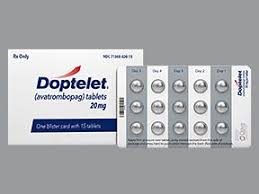
Up to now, the original drug of avatrombopag is mainly supplied in two specifications in the domestic market, and the price has been significantly optimized compared with the initial stage of launch:
20mg
20mg
Important medical insurance information: The above prices are the online prices or market reference prices before medical insurance reimbursement. After drugs are reimbursed by medical insurance, patients' actual out-of-pocket costs will be significantly reduced. According to local medical insurance policies (usually reimbursement ratios range from 50% to 80%, and may be affected by deductibles, caps, etc.), the out-of-pocket cost of a standard course of treatment (usually 5 days) may drop to more than a thousand yuan or even less. We strongly recommend that patients consult the medical insurance office or pharmacy of the hospital where they visit for specific reimbursement policies before the doctor prescribes them, so as to accurately assess their personal burden.
Multiple choices from an international perspective: The complementary role of generic drugs in Laos and Bangladesh
For some patients who continue to pay attention to the total cost of treatment due to differences in medical insurance policies, limited reimbursement amounts, or who require long-term medication (such as for chronic immune thrombocytopeniaITP, this indication has also been approved in China), internationally approved generic drugs provide another proven possibility.
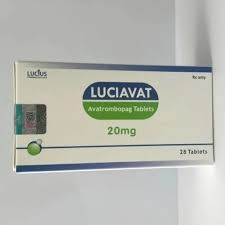
Lao generic drugs and Bangladeshi generic drugs: The drug regulatory authorities in these two regions have approved the marketing of generic versions of avatrombopag. Its pharmaceutical ingredients (API) are basically the same as the original drugs and are produced in factories that comply with international standards (such asWHO-GMP). At present, the market price of these generic drug specifications (usually 20mg*10 tablets) is about several hundred yuan, and the price advantage is extremely significant.
Principles for safe drug purchasing that must be reiterated:
1.Quality is the lifeline: When choosing generic drugs, the core is to confirm the legal qualifications of the manufacturer and product quality certification. Patients can try to check the official website of the country’s drug regulatory department.
2.Channel determines authenticity: Be sure to purchase through a reputable platform or physical pharmacy with legal cross-border pharmaceutical trade qualifications, and absolutely avoid placing orders through unqualified personal channels or websites from unknown sources.
3.Medical decisions are inseparable: any adjustment to the medication regimen or choice of drug purchase channels must be made with the knowledge and consent of your attending physician to ensure the integrity and safety of the treatment.
Value Insights: Cognitive upgrade from“cost” to “cost-efficiency ratio”
Changes in the payment system for avatrombopag reveal the underlying logic of modern medical value assessment:
1.The "value-based medical care" orientation of medical insurance negotiations: Through negotiations, the National Medical Insurance Bureau will include innovative drugs that are urgently needed in clinical practice and have proven efficacy at reasonable prices. What will improve the "cost-effectiveness ratio" of the entire medical system is to avoid greater medical and social costs such as disease progression and increased complications caused by delayed or canceled surgeries.
2.Reduction in comprehensive costs for patients: Although the drug cost is a direct expense, avatrombopag can significantly reduce the costs incurred due to platelet transfusion (such as blood product fees, blood transfusion-related examination and processing fees), and more importantly, it reduces the risks of blood transfusion-related infections, allergies, immune reactions, etc., as well as the time cost of delayed surgery due to waiting for platelets.
3.The "parallel reference" effect of the global supply chain: The existence of legal international generic drugs provides a market-based reference for the global drug pricing system and indirectly promotes global dialogue and balance on drug accessibility.
Precision Focus: Whois suitable forAvatrombopag?
The application of avatrombopag needs to strictly follow the guidelines and indications. Its main target groups include:
Patients with chronic liver disease: patients diagnosed with chronic liver disease such as cirrhosis and who need to undergo elective invasive procedures due to platelet count < 50×10⁹/L. The procedures include but are not limited to:
liver biopsy
Radiofrequency ablation of liver cancer, TACE (hepatic arterial chemoembolization)
liver surgery
Some dental procedures
Patients with chronic immune thrombocytopenia (ITP): Adult patients who have had poor response to previous treatments (such as glucocorticoids, immunoglobulins), used to increase and maintain platelet counts and reduce the risk of bleeding.
Specific patients who are scheduled to undergo surgery: Situations in which an increase in platelet count is deemed necessary to ensure the safety of the surgery, as assessed by a specialist.
The cornerstone of medication use: standardized assessment. Before initiating avatrombopag treatment, a comprehensive evaluation must be conducted by a hematologist or hepatologist to confirm the cause and degree of thrombocytopenia, and to develop a personalized dosing plan (usually oral administration needs to be started 10-13 days before the scheduled operation and continued for 5 days).
Safety Management: Understanding and Responding to Potential Risks of Avatrombopag
The overall safety profile of avatrombopag is good, and common adverse reactions are mostly mild to moderate, but information and monitoring are still required:
The most common reactions: headache, fatigue, nausea, peripheral edema, etc.
Potential risks that need attention:
1.Thrombus formation/Thromboembolic events: TPO-RA drugs may theoretically increase the risk of thrombosis after platelet elevation, especially for patients with a history of thrombosis, hereditary thrombophilia or long-term bed rest. Platelet count needs to be monitored during medication to avoid excessive elevation.
2.Hepatotoxicity: Although rare, liver function needs to be monitored regularly.
3.Interactions: Caution is required when combined with potent CYP2C9 and CYP3A4 inhibitors or inducers, which may affect drug efficacy.
4.Active management strategy: Patients should follow the doctor's advice to regularly review blood routine (focusing on monitoring platelet count) and liver function. During the medication, if symptoms such as sudden headache, chest pain, difficulty breathing, limb swelling and pain, or neurological deficit occur, you should seek medical attention immediately.
The emergence of avatrombopag has given clinicians and patients unprecedented initiative and certainty. It transforms the passive, uncontrollable process of "waiting for a qualified platelet count" into a precisely planned medical step. Today, medical insurance coverage has further cleared financial barriers, allowing more patients to receive necessary diagnosis or radical surgery within the optimal time window, thereby improving long-term prognosis.
For patients facing chronic liver disease and related invasive procedures, proactively discussing platelet management strategies with your healthcare team and understanding modern treatment options, including avatrombopag, is a critical step in ensuring a smooth treatment journey. In the era of precision medicine, every precise preparation adds a solid guarantee to the continuation of life.
xa0
References:
1.United StatesFDADrug Insert (Avatrombopag);
2.European Association for the Study of the Liver (EASL) Clinical Practice Guidelines: Management of Decompensated Cirrhosis (2024Updated);
3.Relevant consensus of the Hepatology Branch of the Chinese Medical Association.
[ 免责声明 ] 本页面内容来自公开渠道(如FDA官网、Drugs官网、原研药厂官网等),仅供持有医疗专业资质的人员用于医学药学研究参考,不构成任何治疗建议或药品推荐。所涉药品可能未在中国大陆获批上市,不适用于中国境内销售和使用。如需治疗,请咨询正规医疗机构。本站不提供药品销售或代购服务。


