
.jpeg)
Detailed analysis of Pretomanid drug classification, indications, clinical usage and dosage
Pretomanid (Pretomanid) is a new type of anti-tuberculosis drug. It belongs to the triazole class of compounds and has anti-tuberculosis activity. It mainly kills Mycobacterium tuberculosis by inhibiting the cell wall synthesis of Mycobacterium tuberculosis and inducing the production of reactive nitrogen free radicals by bacteria under anaerobic conditions. This drug is one of the important drugs used to treat patients with drug-resistant tuberculosis (especially extensively drug-resistant or multidrug-resistant tuberculosis), and provides a new treatment option for complex drug-resistant tuberculosis.
In terms of indications, putomanib is mainly used for adult patients with multidrug-resistant tuberculosis (MDR-TB) or extensively drug-resistant tuberculosis (XDR-TB). It is usually used in combination with other anti-tuberculosis drugs such as rifampicin and linezolid. This combined regimen is designed to improve the success rate of drug-resistant tuberculosis treatment and shorten the treatment cycle while reducing the further spread of drug-resistant strains. Clinical studies have shown that putomanid can significantly improve the negative conversion rate of sputum culture in combination therapy and shows good tolerability in patients with refractory tuberculosis.
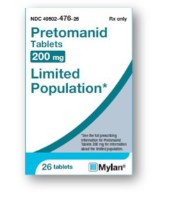
In terms of usage and dosage, putomanid is usually taken orally in the form of tablets. The standard recommended dose is 200 mg once daily. It needs to be taken simultaneously with other combined medications. It is best to take the medication after or with a meal to improve drug absorption and tolerance. The treatment cycle depends on the patient's condition and the combined plan, and generally ranges from six months to nine months. During the course of treatment, doctors will make individual adjustments based on the patient's drug resistance type, weight, and liver and kidney function to ensure efficacy and reduce the risk of adverse reactions.
During clinical use, patients' liver function, renal function and blood routine should be closely monitored, and adverse reactions to the nervous system and gastrointestinal tract should be paid attention to, such as headache, nausea, vomiting or mild liver function abnormalities. For pregnant or lactating patients, the risks and benefits should be strictly evaluated and used with caution. Overall, putomanib plays an important role in the treatment of drug-resistant tuberculosis. Through standardized combination use and strict monitoring, the efficacy can be maximized while ensuring patient safety.
Keyword tags: putomanib, drug classification, drug-resistant tuberculosis, indications, usage and dosage, combination regimen, MDR-TB, XDR-TB.
Reference materials:https://go.drugbank.com/drugs/DB05154
[ 免责声明 ] 本页面内容来自公开渠道(如FDA官网、Drugs官网、原研药厂官网等),仅供持有医疗专业资质的人员用于医学药学研究参考,不构成任何治疗建议或药品推荐。所涉药品可能未在中国大陆获批上市,不适用于中国境内销售和使用。如需治疗,请咨询正规医疗机构。本站不提供药品销售或代购服务。


