
.jpeg)
The synthesis principle, drug structure and research and development background of vosoritide
Vosoritide is a recombinant human C type natriuretic peptide (C-type natriuretic peptide, CNP) analogue. It is mainly used to treat dwarfism related to achondroplasia, such as achondroplasia (achondroplasia). The original intention of its research and development was to address the problem of cartilage growth restriction caused by FGFR3 gene mutations, by simulating the biological effects of CNP to regulate bone growth signaling pathways and improve height. The background of drug development comes from in-depth research on the FGFR3 signaling pathway. Overactivation of FGFR3 will inhibit the proliferation and differentiation of chondrocytes, leading to restricted cartilage development. vosoritide provides new ideas for targeted therapy by intervening in this pathway.
In terms of chemical structure, vorsolitide is a polypeptide molecule of 21 amino acids. It has CNP activity through specific amino acid sequence design, and has stronger stability against natural CNP degrading enzymes (such as neutral endopeptidase) in the body. This structure ensures that the drug can continue to function in the body while reducing the instability of efficacy caused by rapid degradation. The polypeptide structure also enables vorsolide to bind with high affinity to the NPR-B receptor on the surface of chondrocytes, activating the cGMP signaling pathway, thereby promoting cartilage proliferation and bone elongation.
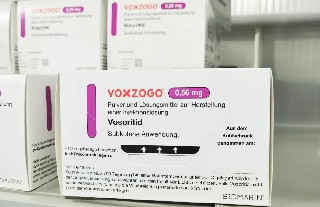
In terms of synthesis principle, Vorsolitide adopts modern solid-phase peptide synthesis technology (Solid-Phase Peptide Synthesis, SPPS), which gradually extends amino acids to form a complete polypeptide chain, and ensures sequence accuracy through specific protecting groups and deprotection steps. After completing the synthesis of the peptide chain, it needs to be folded and structurally optimized to form a biologically active three-dimensional conformation. Subsequently, impurities and unreacted fragments are removed through purification and quality control steps to ensure the purity and safety of the drug to meet clinical use standards.
During the research and development process, vosoritide has undergone systematic verification from basic research to clinical trials. Early studies determined that it can effectively antagonize the inhibitory effect of FGFR3 overactivation on cartilage, and subsequently verified its promoting effect on bone growth through animal models. Clinical trials further show that vorsolitide can safely and effectively improve the height growth rate of children with achondroplasia, providing the first targeted treatment option for this hereditary dwarfism. The research and development background combined with molecular mechanism, chemical design and clinical validation makes it an important drug for FGFR3-related skeletal development diseases.
Keyword tags: Vorsolitide, synthesis principle, achondroplasia, research and development background, growth hormone, CNPanalogues, FGFR3 mutation, dwarfism.
Reference materials:https://en.wikipedia.org/wiki/Vosoritide
[ 免责声明 ] 本页面内容来自公开渠道(如FDA官网、Drugs官网、原研药厂官网等),仅供持有医疗专业资质的人员用于医学药学研究参考,不构成任何治疗建议或药品推荐。所涉药品可能未在中国大陆获批上市,不适用于中国境内销售和使用。如需治疗,请咨询正规医疗机构。本站不提供药品销售或代购服务。


