
.jpeg)
Tarlatamab (Tarlatamab) - What is Imdelltra, its pharmacological effects, indications and full explanation of use
Tarlatamab (also known as Imdelltra) is a new bispecific antibody drug that belongs to the category of immunotherapy. Its research and development goal is to achieve precise immune attack on tumor cells by simultaneously targeting tumor-associated antigens and TT cell activation markers, thereby improving the specificity and efficacy of tumor treatment. As a bispecific antibody, talatumumab can not only directly recognize tumor cells, but also activate the patient's own T cells to participate in the killing response, enhancing the body's immune ability to control tumors.
In terms of pharmacological effects, talatumumab binds to tumor cell-specific antigens on one end and binds to T cell surface CD3 molecules on the other end, prompting T cells to directly recognize and kill tumor cells. This mechanism enables it to show good anti-tumor activity in the treatment of certain solid tumors and hematological tumors, while theoretically reducing damage to normal tissues. The half-life, dose-dependent response and degree of T cell activation of the drug in the body are all important indicators of clinical concern and need to be strictly monitored during use.
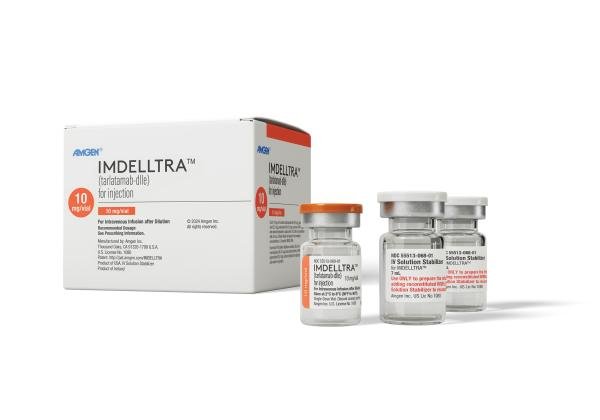
In terms of indications, talatumumab is mainly used in patients with advanced or metastatic solid tumors, as well as tumor types that are resistant to conventional therapies. Clinical studies have shown that the drug can significantly extend progression-free survival in some advanced tumors and improve the objective response rate of some patients. Specific indications are still subject to approval information from the drug regulatory authorities of each country, and individualized medication plans need to be formulated based on the patient's tumor type, molecular characteristics, and previous treatment history.
In terms of usage guidelines and safety, talatumumab is usually administered by intravenous infusion, and the dosage and dosage interval need to be adjusted based on the patient's weight, condition, and tolerance. Common adverse reactions include infusion reactions, fever, fatigue and mild to moderate hematological abnormalities, so strict monitoring is required during medication. Clinicians should conduct a comprehensive assessment of the patient, including immune function status and previous drug history, to ensure that the treatment is safe and effective. At the same time, the treatment plan should be adjusted in a timely manner through follow-up and laboratory examinations to maximize drug efficacy and reduce potential risks.
Keyword tags: talatumumab, Imdelltra, bispecific antibody, small cell lung cancer, pharmacological effects, indications, infusion reaction, T cell redirection.
References:https://www.amgen.com/newsroom/press-releases/2024/05/fda-approves-imdelltra-tarlatamab
[ 免责声明 ] 本页面内容来自公开渠道(如FDA官网、Drugs官网、原研药厂官网等),仅供持有医疗专业资质的人员用于医学药学研究参考,不构成任何治疗建议或药品推荐。所涉药品可能未在中国大陆获批上市,不适用于中国境内销售和使用。如需治疗,请咨询正规医疗机构。本站不提供药品销售或代购服务。


