
.jpeg)
Detailed description of common side effects and long-term use risks of safinamide mesylate tablets (Siddaco)
Safinamide mesylate tablets (Safinamide) is a reversible monoamine oxidase-B (MAO-B) inhibitor. It also has the effect of regulating glutamate release. It is mainly used for patients with Parkinson's disease (PD), especially as an auxiliary drug based on levodopa treatment. By inhibiting dopamine degradation and regulating glutamate activity, safinamine can improve the motor symptoms of PD patients, reduce the "on-on-off" phenomenon, and alleviate motor fluctuations to a certain extent. However, patients and clinicians still need to pay close attention to side effects and safety issues during long-term use.
Common adverse reactions of safinamine include mild to moderate digestive system symptoms, such as nausea, vomiting, diarrhea and constipation. At the same time, some patients may experience neuropsychiatric symptoms such as headache, dizziness, insomnia or drowsiness. A small number of patients may experience increased blood pressure, weight gain or edema during long-term use, which is related to the drug's regulation of the central nervous system and sympathetic nerves. In clinical trials, these side effects were mostly mild to moderate and could be alleviated through dose adjustment or symptomatic treatment, but they still require regular monitoring and evaluation.
The risks of long-term use of safinamine include possible dopamine overdose, blood pressure fluctuations, and drug interactions. Since the inhibitory effect of MAO-B can enhance dopamine levels, patients may experience psychoneurological symptoms such as abnormal excitement, impulsive behavior or hallucinations when combined with levodopa or other dopamine receptor agonists. In addition, safinamine has mild glutamate modulating effects and should be used with caution in patients with epilepsy or other neurological disorders to reduce the risk of seizures or neurotoxicity.
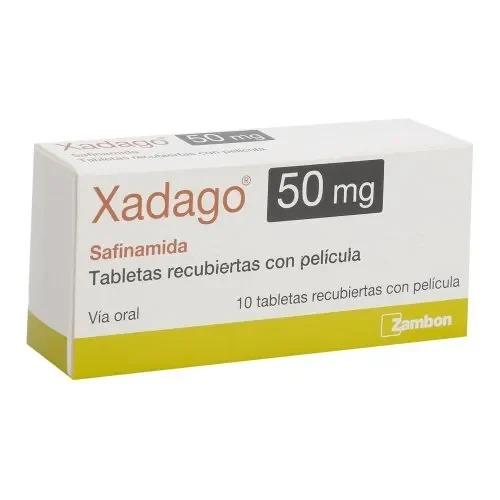
In clinical practice, patients taking long-term medication require regular follow-up, including assessment of motor function, mental status, blood pressure and laboratory indicators such as liver function and kidney function. Doctors usually adjust the dose or combine it with other drugs in a timely manner based on the patient's tolerance and symptom changes to maintain optimal efficacy and reduce adverse reactions. In some real-world observations, patients reported that the control of motor symptoms was significantly improved after long-term use of safinamine. However, some patients experienced mild fatigue, weight changes, or short-term blood pressure fluctuations, which require close cooperation between doctors and patients for management.
Overall, safinamide mesylate tablets have good efficacy in the adjuvant treatment of Parkinson's disease and can effectively improve motor symptoms and quality of life. However, long-term use still requires attention to side effects and potential risks, especially dopamine-related mental behavior, blood pressure and nervous system safety. Through standardized use, regular follow-up and individualized dose adjustment, patients can maintain efficacy while minimizing long-term medication risks, thereby achieving long-term sustainability and safety of Parkinson's disease treatment.
Keyword tags: safinamide mesylate tablets, side effects, long-term risks, Parkinson's disease, MAO-B inhibitors, dopamine excess, blood pressure fluctuations, neurological symptoms.
Reference materials:https://pubmed.ncbi.nlm.nih.gov/30537315/
[ 免责声明 ] 本页面内容来自公开渠道(如FDA官网、Drugs官网、原研药厂官网等),仅供持有医疗专业资质的人员用于医学药学研究参考,不构成任何治疗建议或药品推荐。所涉药品可能未在中国大陆获批上市,不适用于中国境内销售和使用。如需治疗,请咨询正规医疗机构。本站不提供药品销售或代购服务。


