
.jpeg)
Analysis of the efficacy and role of Zongatinib (Zongatinib) and its clinical efficacy in patients with different indications
Zongertinib exhibits promising antitumor activity in patients with HER2-positive advanced breast cancer. Multiple clinical trial data show that for patients who have previously failed treatment with trastuzumab, pertuzumab or T-DM1, zongatinib can significantly improve the objective response rate (ORR) and disease control rate (DCR), and significantly extend the median progression-free survival (PFS). At the same time, the drug also shows the potential to cross the blood-brain barrier in patients with brain metastases, helping to control central nervous system lesions, thereby improving overall survival prognosis. Compared with traditional chemotherapy or single-agent targeted therapy, zongatinib was well tolerated in combination or as a single agent.
In the treatment of gastric cancer, zongertinib is mainly used for patients with HER2-positive advanced or metastatic gastric cancer. Clinical data show that zongatinib can effectively inhibit tumor growth and improve the response rate of some patients. Especially in patients who are resistant to trastuzumab, it can still achieve considerable efficacy. In combination chemotherapy regimens, zongatinib is used in combination with platinum-containing drugs or fluorouracil drugs, which can further prolong progression-free survival and improve patients' quality of life. For other solid tumors with abnormal HER2 expression, such as some non-small cell lung cancer or ovarian cancer, early studies have shown that zongatinib also has potential efficacy, providing a new direction for clinical application.
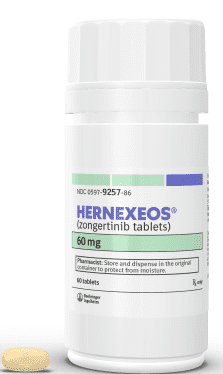
Individualized dosing strategies for zongatinib are particularly important in different patient groups. Doctors need to determine the optimal dose and treatment cycle based on HER2 expression levels, previous treatment history, comorbidities, and the patient's physical condition. For patients with drug resistance or rapid progression, combination immunotherapy or other targeted drugs may be considered to improve efficacy. For older patients or patients with multiple underlying diseases, potential risks need to be carefully assessed and phased dosing and strict monitoring strategies should be adopted to ensure the safety and effectiveness of the treatment.
Overall, Zongatinib (Zongatinib) has shown significant clinical efficacy in patients with HER2-positive breast cancer, gastric cancer, and some lung cancers. It can improve the response rate, prolong progression-free survival, and show unique advantages in patients with brain metastases. Its safety is controllable, and through standardized monitoring and individualized dose adjustment, patients can receive effective anti-tumor treatment while reducing the risk of adverse events. With the accumulation of more clinical data, zongatinib is expected to become an important choice in the field of HER2-targeted therapy, bringing precise and sustainable treatment options to patients with advanced tumors.
Keyword tags: zongatinib, HER2 inhibitor, breast cancer, gastric cancer, targeted therapy
Reference: https://en.wikipedia.org/wiki/Zongertinib
[ 免责声明 ] 本页面内容来自公开渠道(如FDA官网、Drugs官网、原研药厂官网等),仅供持有医疗专业资质的人员用于医学药学研究参考,不构成任何治疗建议或药品推荐。所涉药品可能未在中国大陆获批上市,不适用于中国境内销售和使用。如需治疗,请咨询正规医疗机构。本站不提供药品销售或代购服务。


