
.jpeg)
What are the common side effects of long-term use of tofacitinib (Shangjie) and how to manage risks
Tofacitinib is an oral small molecule Janus kinase (JAK) inhibitor, mainly used to treat autoimmune diseases such as moderately to severely active rheumatoid arthritis (RA), ankylosing spondylitis, psoriatic arthritis and ulcerative colitis. Its mechanism of action is by inhibiting the JAK-STAT signaling pathway, reducing the production of inflammatory factors and immune cell activation, thereby controlling abnormal immune system reactions and relieving joint pain, swelling and inflammation progression. The oral convenience and rapid onset of action of tofacitinib make it an important clinical treatment option for a variety of immune diseases, but long-term use still requires attention to potential side effects and risk management.
The most common side effects of long-term use of tofacitinib include hematological abnormalities, risk of infection, abnormal liver function, and elevated blood lipids. Hematological abnormalities mainly manifest as a decrease in white blood cells, lymphocytes or thrombocytopenia, and some patients may develop anemia, which is closely related to the impact of JAK inhibition on the hematopoietic system. The risk of infection is a major concern with long-term use of tofacitinib, especially recurrence of herpes zoster, pneumonia, urinary tract infection, and tuberculosis. In clinical practice, some serious infections may even be life-threatening, so infection risk assessment, including tuberculosis screening and vaccination, is required before medication.
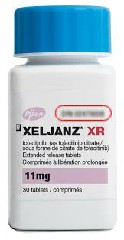
In addition to hematological and infectious risks, tofacitinib may cause liver function abnormalities and increased serum lipid levels. Long-term observation shows that some patients have elevated levels of liver enzymes during treatment, and liver function indicators need to be monitored regularly and the dose adjusted or medication suspended when necessary. At the same time, elevated blood lipids may increase the risk of cardiovascular events, especially in patients with hypertension, hyperlipidemia, or previous cardiovascular disease. Therefore, blood lipids should be measured regularly and managed with diet, exercise, or drug intervention. Other less common adverse reactions include gastrointestinal upset, headache, rash and symptoms related to hepatobiliary disease.
For long-term medication risk management of tofacitinib, we should start from three aspects: pre-medication assessment, medication monitoring and life intervention. Before use, a comprehensive hematology, liver and kidney function, infection history and cardiovascular risk assessment must be completed, and necessary vaccines, such as herpes zoster vaccine and influenza vaccine, must be received. During the treatment process, blood routine, liver function, blood lipids and infection indicators should be regularly monitored to detect abnormalities early and deal with them promptly. Patient education is also very important, and patients should be instructed to pay attention to warning signs such as infection symptoms, rashes, bleeding, or fatigue, and to seek medical attention immediately if abnormalities occur. In addition, the dose should be adjusted based on individual risk assessment, and when necessary, a combination low-dose regimen or a drug-off interval strategy should be used to minimize the risk of long-term adverse reactions while controlling the disease.
Overall, tofacitinib has significant long-term efficacy in autoimmune diseases, but long-term side effects cannot be ignored. Through strict risk assessment, standardized monitoring and individualized management, risks such as hematological abnormalities, infections, abnormal liver function and elevated blood lipids can be effectively reduced, ensuring patient safety and continuity of treatment. In clinical practice, doctors and patients should work closely together to scientifically manage medication and life intervention to achieve the maximum efficacy and minimum risks of tofacitinib in long-term treatment.
Keyword tags: tofacitinib,JAKInhibitors, rheumatoid arthritis, long-term medication, risk of infection
Reference materials:https://www.ncbi.nlm.nih.gov/books/NBK572148/
[ 免责声明 ] 本页面内容来自公开渠道(如FDA官网、Drugs官网、原研药厂官网等),仅供持有医疗专业资质的人员用于医学药学研究参考,不构成任何治疗建议或药品推荐。所涉药品可能未在中国大陆获批上市,不适用于中国境内销售和使用。如需治疗,请咨询正规医疗机构。本站不提供药品销售或代购服务。


