
.jpeg)
Safety evaluation of long-term use of everolimus/Afinitor
Everolimus (Everolimus), as a targeted drug and immunosuppressant, has been widely used in cancer treatment (renal cell carcinoma, breast cancer, etc.) and organ transplant immunosuppression. Although the efficacy of everolimus has been confirmed in many clinical trials, its safety for long-term use remains an important issue in medical research. Understanding the potential risks of its long-term use is critical to ensuring patient safety.
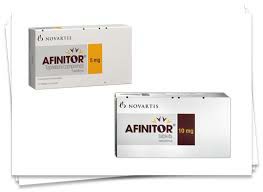
First, long-term use of everolimus may cause a series of side effects, especially during immunosuppressive therapy. Common adverse reactions include infections, mouth ulcers, rashes, etc. Since everolimus inhibits T cell function, long-term use may lead to suppression of the immune system, making patients more susceptible to infection. Therefore, patients taking everolimus need to be regularly monitored for signs of infection and take appropriate precautions, such as avoiding close contact with people who have received live vaccines.
Secondly, long-term use of everolimus may affect renal function. Impaired kidney function is one of the more common side effects of this drug, especially in patients who already have kidney problems. During the use of everolimus, the patient's renal function should be monitored regularly, including serum creatinine, urea nitrogen and other indicators, in order to detect renal function abnormalities early and intervene in a timely manner.
Everolimus may also cause metabolic abnormalities, including hyperglycemia and hyperlipidemia. Patients who use this drug for a long time need to regularly check their blood sugar and blood lipid levels, and adjust their diet or drug treatment plan based on the test results. Although these metabolic abnormalities are usually controllable, patients need to actively cooperate with treatment and adopt corresponding lifestyle interventions, such as maintaining a healthy diet and exercising moderately.
Keyword tags: Everolimus, Everolimus, long-term use, safety, side effects, renal function, immunosuppression, metabolic abnormalities, bone marrow suppression, radiation reaction
Reference materials:https://www.ncbi.nlm.nih.gov/books/NBK548857/
[ 免责声明 ] 本页面内容来自公开渠道(如FDA官网、Drugs官网、原研药厂官网等),仅供持有医疗专业资质的人员用于医学药学研究参考,不构成任何治疗建议或药品推荐。所涉药品可能未在中国大陆获批上市,不适用于中国境内销售和使用。如需治疗,请咨询正规医疗机构。本站不提供药品销售或代购服务。


