
.jpeg)
Whether Omarigliptin requires long-term medication and analysis of the risk of discontinuation
Omarigliptin is an oral DPP-4 inhibitor, mainly used for blood sugar management in type 2 diabetes. Its mechanism of action is to inhibit the degradation of GLP-1 by dipeptidyl peptidase -4 (DPP-4), thereby prolonging the action time of incretin, promoting insulin secretion and inhibiting glucagon secretion, thereby improving postprandial and fasting blood glucose levels. Because its action relies on continued drug levels to maintain glycemic control, ologliptin usually requires long-term, regular administration to maintain blood sugar within the target range.
The main purpose of long-term medication is to maintain blood sugar stability and reduce the risk of chronic damage to blood vessels, kidneys, nerves, eyes and other organs caused by chronic hyperglycemia. Clinical studies have shown that continued use of ologliptin improves glycosylated hemoglobin (HbA1c) levels and is associated with a low risk of hypoglycemic events. Therefore, for most patients with type 2 diabetes, ologliptin, as a basic hypoglycemic treatment, needs to be taken long-term under the guidance of a doctor, combined with diet control and lifestyle intervention to obtain the best effect.
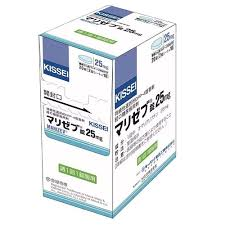
In terms of the risk of discontinuation, sudden discontinuation of ologliptin may lead to loss of glycemic control, increase in postprandial and fasting blood glucose, and gradual recovery of glycated hemoglobin levels, increasing the risk of diabetes-related complications. For long-term users, if you consider stopping the drug or adjusting the treatment plan, you should do so gradually under the guidance of a doctor. At the same time, you may need to add other oral hypoglycemic drugs or insulin replacement therapy to maintain blood sugar stability.
Overall, long-term regular use of ologliptin is required to maintain blood sugar control and prevent the occurrence of chronic complications of diabetes. When discontinuing medication, the patient's condition, blood sugar level, and individualized treatment goals need to be carefully assessed to avoid the risk of blood sugar rebound caused by sudden withdrawal of medication. In clinical practice, combining blood glucose monitoring, lifestyle management and regular review is the key to safe use of ologliptin and achieving long-term blood sugar control.
Keyword tags: Ologliptin, DPP-4inhibitor, 2 type diabetes, long-term medication, risk of discontinuation
Reference materials:https://go.drugbank.com/drugs/DB11992
[ 免责声明 ] 本页面内容来自公开渠道(如FDA官网、Drugs官网、原研药厂官网等),仅供持有医疗专业资质的人员用于医学药学研究参考,不构成任何治疗建议或药品推荐。所涉药品可能未在中国大陆获批上市,不适用于中国境内销售和使用。如需治疗,请咨询正规医疗机构。本站不提供药品销售或代购服务。


