
.jpeg)
Comprehensive explanation of common adverse reactions and monitoring key points of linezolid (Siwo) in clinical use
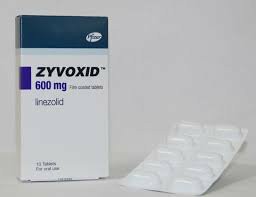
Linezolid (Linezolid) is a broad-spectrum antibiotic belonging to the oxazolidinone class. It is mainly used to treat infections caused by drug-resistant Gram-positive bacteria, such as methicillin-resistant bacteria. Staphylococcus aureus (MRSA), vancomycin-resistant enterococci (VRE) and some Streptococcus pneumoniae infections. Due to its unique mechanism of action - exerting antibacterial effects by inhibiting bacterial protein synthesis - linezolid is widely used in the clinical treatment of complex infections, nosocomial infections and multi-drug-resistant bacterial infections. However, adverse reactions related to long-term use or high-dose use deserve the attention of clinicians and require systematic monitoring to ensure patient safety.
In the clinical use of linezolid, the most common adverse reactions include hematological toxicity, gastrointestinal reactions, and neurological adverse reactions. Hematological toxicity mainly manifests as thrombocytopenia, anemia and neutropenia, of which thrombocytopenia is the most common and usually appears gradually after 2 weeks of treatment, especially in patients who have been treated for more than 14 days. The incidence rate is significantly higher. The mechanism of hematological toxicity is related to the inhibition of mitochondrial protein synthesis by linezolid, which will affect bone marrow hematopoietic function. Therefore, regular blood routine monitoring is required during treatment. It is usually recommended to do so once a week. If necessary, the dose should be adjusted or the drug discontinued based on platelet, white blood cell, and hemoglobin levels.
Gastrointestinal reactions are also common side effects of linezolid and include nausea, vomiting, diarrhea, and abnormal sensations in the mouth or tongue. Such adverse reactions are usually mild to moderate and can be alleviated through dietary adjustments, divided administration, or symptomatic treatment. However, if the symptoms are severe or persistent, it is necessary to consider evaluating whether they are related to drug accumulation or accompanied by other systemic adverse reactions. Linezolid has high oral bioavailability, so the incidence of adverse reactions is similar between oral and intravenous administration. Patient self-observation and timely reporting of symptoms are critical in managing these reactions.
Nervous system adverse reactions mainly include peripheral neuropathy, optic neuropathy, and occasional headache, dizziness or insomnia. Peripheral neuropathy often occurs in patients who take linezolid for a long time, especially when it is taken continuously for more than 28 days. It manifests as numbness, tingling or hypoaesthesia in the hands and feet, which may be irreversible in some patients. Optic neuropathy is relatively rare, but once it occurs, it may cause vision loss or abnormal color vision. Therefore, patients taking long-term medication need to have their vision and optic nerve function evaluated. For patients who develop neurological symptoms, the drug should be discontinued or the treatment plan should be adjusted promptly, and neurological or ophthalmological consultation should be conducted if necessary.
Another type of adverse reactions that need to be focused on is lactic acidosis and mitochondrial function-related toxicity, which are usually associated with long-term high-dose use of linezolid and manifest as fatigue, nausea, dyspnea, muscle soreness, and elevated blood lactate. Once these symptoms appear clinically, the drug should be stopped immediately, blood gas and lactate levels should be tested, and supportive treatment should be given. Linezolid can also interact with monoamine oxidase inhibitors (MAOI) drugs, which may lead to hypertensive crisis or serotonin syndrome. Therefore, the patient's medication history must be carefully evaluated and blood pressure and psychiatric symptoms must be closely monitored before use.
In summary, although linezolid has significant clinical efficacy, its adverse reactions are cumulative and systemic, especially the risks of hematological toxicity, nervous system damage and lactic acidosis, which require strict monitoring and management. In actual clinical application, an individualized monitoring plan should be developed based on the treatment cycle, dose and patient's basic condition, including weekly blood routine examination, vision and neurological symptom assessment, liver and kidney function monitoring, and blood lactate detection when necessary. At the same time, medical staff should guide patients to understand potential adverse reactions and report symptoms in a timely manner to facilitate early intervention and adjustment of treatment plans, ensure the safe and effective use of linezolid, and give full play to its important role in the treatment of drug-resistant infections.
Keyword tags: linezolid, antibiotics,MRSA, treatment cycle, discontinuation timing
Reference materials:https://www.drugs.com/cdi/linezolid-tablets.html
[ 免责声明 ] 本页面内容来自公开渠道(如FDA官网、Drugs官网、原研药厂官网等),仅供持有医疗专业资质的人员用于医学药学研究参考,不构成任何治疗建议或药品推荐。所涉药品可能未在中国大陆获批上市,不适用于中国境内销售和使用。如需治疗,请咨询正规医疗机构。本站不提供药品销售或代购服务。


