
.jpeg)
Analysis of the key performance of cycloserine’s actual role and efficacy in clinical anti-infective treatment
Cycloserine (Cycloserine) is an anti-tuberculosis and broad-spectrum anti-infective drug with a unique mechanism of action. It mainly exerts bactericidal or bacteriostatic effects by inhibiting bacterial cell wall synthesis. Its targets involve alanine racemase and D-alanine-D-alanine ligase, which is a key step in the synthesis of bacterial cell wall peptidoglycan. Therefore, it may still remain active against a variety of drug-resistant strains and has irreplaceable value in special infection situations.
In clinical anti-infective treatment, the most prominent applications of cycloserine focus on multi-drug-resistant tuberculosis (MDR-TB) and extensively drug-resistant tuberculosis (XDR-TB). When first-line and second-line anti-tuberculosis drugs are insufficiently effective or have obvious drug resistance, cycloserine is often included in the combination program to enhance the overall antibacterial strength, delay the progression of drug resistance, and improve the success rate of long-term treatment. Its role is more reflected in the "filling" and "strengthening" levels.
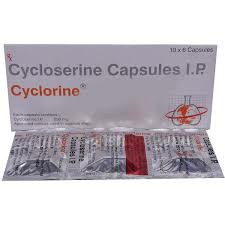
In addition to Mycobacterium tuberculosis, cycloserine also shows certain antibacterial activity against some Gram-positive bacteria and atypical pathogens, and can be used as an alternative or combined drug option in individual complex or refractory infections. However, this drug is usually not used as a routine first-choice antibiotic, but rather demonstrates its clinical value when the etiology is clear, the risk of resistance is high, or treatment options are limited.
It should be noted that the therapeutic advantages of cycloserine are accompanied by a relatively prominent risk of adverse reactions to the central nervous system, such as dizziness, anxiety, mood changes and even epilepsy. Therefore, in practical applications, doctors will strictly control the dose, administer the drug in divided doses, and closely monitor the patient's mental and nervous system status. Overall, the key performance of cycloserine in anti-infection treatment lies not in its widespread use, but in its "key supporting" role in drug-resistant infections.
Keyword tags: cycloserine, anti-tuberculosis drugs, drug-resistant tuberculosis, central nervous system side effects, drug safety
Reference materials:https://www.drugs.com/mtm/cycloserine.html
[ 免责声明 ] 本页面内容来自公开渠道(如FDA官网、Drugs官网、原研药厂官网等),仅供持有医疗专业资质的人员用于医学药学研究参考,不构成任何治疗建议或药品推荐。所涉药品可能未在中国大陆获批上市,不适用于中国境内销售和使用。如需治疗,请咨询正规医疗机构。本站不提供药品销售或代购服务。


