
.jpeg)
How is the research progress of lorlatinib/lorlatinib related to ROS1?
Lorlatinib is a targeted drug used to treat ALK-positive non-small cell lung cancer (NSCLC). Its main mechanism of action is to prevent the growth and spread of tumor cells by inhibiting ALK kinase. Especially in ALK-positive patients, lorlatinib, as a third-generation targeted drug, has shown stronger therapeutic effects than other early drugs. Especially in the treatment of brain metastases, lorlatinib has shown outstanding advantages. However, no indication has been approved for patients with ROS1-positive mutations.
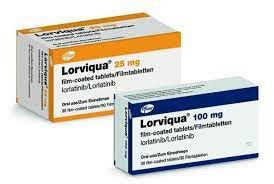
In recent years, significant progress has been made in research on the relationship between lorlatinib andROS1. ROS1 gene rearrangement is a relatively rare type of mutation in patients with non-small cell lung cancer, but it responds well to targeted therapy. Once ROS1 gene rearrangement occurs, targeted drugs can often improve the patient's prognosis. Lorlatinib showed "robust clinical activity" in patients with ROS1-positive non-small cell lung cancer (NSCLC) receiving first-line treatment with a ROS1-guided tyrosine kinase inhibitor (TKI), according to the phase 2 ALBATROS trial
The primary endpoint of the study is investigator-assessed overall response rate (ORR) at 8 weeks and confirmed at 16 weeks. Secondary endpoints of the study were Blinded Independent Central Review (BICR)-assessed ORR at 8 weeks (confirmed at 16 weeks), duration of response, disease control rate, progression-free survival (PFS), overall survival (OS), brain metastasis ORR and safety. Studies have shown that lorlatinib has a high therapeutic response rate in patients with ROS1-positive NSCLC. Especially for those patients who are resistant to first-generation ROS1 inhibitors such as crizotinib, lorlatinib can still effectively inhibit tumor progression.
In general, lorlatinib has made significant progress in ROS1-positive non-small cell lung cancer, especially in the treatment of brain metastases. With the accumulation of more clinical data and the exploration of new treatment strategies, lorlatinib is expected to become one of the first-choice therapeutic drugs for ROS1-positive patients.
References:https://www.lungcancerstoday.com/post/phase-2-albatros-trial-lorlatinib-shows-robust-activity-in-patients-with-prior-ros1-tki-treatment
[ 免责声明 ] 本页面内容来自公开渠道(如FDA官网、Drugs官网、原研药厂官网等),仅供持有医疗专业资质的人员用于医学药学研究参考,不构成任何治疗建议或药品推荐。所涉药品可能未在中国大陆获批上市,不适用于中国境内销售和使用。如需治疗,请咨询正规医疗机构。本站不提供药品销售或代购服务。


