
.jpeg)
How long is the resistance to lorlatinib/lorlatinib (Borina) generally?
Lorlatinib/Lorlatinib (Lorlatinib) is a potent third-generation ALK inhibitor, mainly used to treat ALK-positive and ROS1-positive non-small cell lung cancer (NSCLC). Its efficacy is significant, especially for patients who are resistant to first- and second-generation ALK inhibitors (such as crizotinib, icotinib, etc.). However, like all targeted therapies, lorlatinib may also face resistance issues during long-term use. The time to onset of drug resistance varies between individuals, but in most patients, drug resistance may begin to develop within 6 to 12 months after starting treatment.
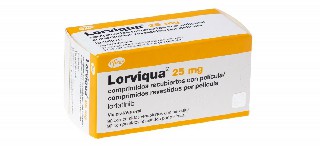
The mechanism of drug resistance is usually related to mutations in tumor cells at the genetic level. Lorlatinib mainly works by inhibiting the kinase activity of ALK and ROS1, but during long-term inhibition, tumor cells may evade the effects of the drug through mutations. For example, certain mutations in the ALK gene (such as G1202R, C1156Y, etc.) may cause the effect of lorlatinib to be weakened. The emergence of drug-resistant mutations is usually related to the continued growth and metastasis of tumors and the aggravation of patients' clinical symptoms.
Although drug resistance is a challenge for current targeted therapies, lorlatinib is still considered an important drug for the treatment of ALK-positive lung cancer. Compared with early ALK inhibitors, lorlatinib can penetrate the blood-brain barrier and has a better effect in treating brain metastases, which makes it widely used in clinical practice. Although the time when drug resistance occurs is not entirely consistent, it is more common for patients to develop drug resistance within 6 months to 1 year.
In order to deal with the problem of drug resistance, researchers are exploring treatment options such as lorlatinib combined with other targeted drugs or immune checkpoint inhibitors, in order to improve the durability and effect of treatment. In addition, with the in-depth research on the resistance mechanism, new drugs may be released in the future to further extend the effective treatment period of lorlatinib.
Keyword tags: lorlatinib, lorlatinib, resistance,ALK inhibitor, ROS1 inhibitor, non-small cell lung cancer, targeted therapy, resistance mechanism
Reference materials:https://www.lorbrena.com/
[ 免责声明 ] 本页面内容来自公开渠道(如FDA官网、Drugs官网、原研药厂官网等),仅供持有医疗专业资质的人员用于医学药学研究参考,不构成任何治疗建议或药品推荐。所涉药品可能未在中国大陆获批上市,不适用于中国境内销售和使用。如需治疗,请咨询正规医疗机构。本站不提供药品销售或代购服务。


