
.jpeg)
Observation on the long-term medication safety and efficacy of Tenapano (Ventile)
Tenapanor (tenapanor) is a new small molecule drug that mainly acts on intestinal sodium-Hydrogen exchange protein (NHE3), by inhibiting intestinal sodium absorption and reducing intestinal sodium load, thereby helping patients with chronic kidney disease (CKD) or patients receiving dialysis to control blood phosphorus levels and body fluid balance. The drug is developed to improve electrolyte management in patients with kidney disease while reducing gastrointestinal discomfort and compliance issues that may arise during the use of traditional phosphate binders.
Clinical studies have shown that long-term use of tenapanor has a relatively controllable safety profile. Common adverse reactions are mainly concentrated in the gastrointestinal tract, including mild to moderate diarrhea, abdominal pain, and bloating. In most cases, these symptoms can be alleviated through dose adjustment, dietary intervention, or short-term drug withdrawal. Long-term observation data suggest that when the drug is used continuously for months or even years, the incidence of serious adverse events is low and no obvious cumulative toxicity is seen. This provides patients with chronic kidney disease with the possibility of long-term safe use and provides a strong basis for clinical application.
In terms of efficacy, tenapanor can significantly reduce blood phosphorus levels and improve patients' phosphorus load control. During long-term use, some clinical studies have shown that the proportion of patients' blood phosphorus maintained within the target range is higher than that of the control group, and the body fluid balance and blood pressure conditions have also been improved to some extent. By continuously inhibiting intestinal sodium absorption, the drug can also indirectly improve cardiovascular load, potentially benefiting CKD patients with hypertension or water retention. In addition, the oral administration mode and controllable dosage characteristics of the drug also help improve patient compliance and the sustainability of long-term treatment.
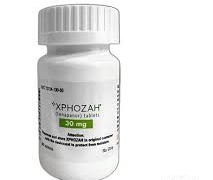
Strategies for long-term use of tenapanor generally incorporate individualized dose adjustments. Based on the patient's renal function status, serum phosphorus level and tolerance, doctors may adjust the daily dose or frequency of medication to achieve optimal efficacy and minimize the risk of adverse reactions. Clinicians recommend that patients regularly monitor serum phosphorus, electrolytes, and renal function indicators during long-term medication, and track and record gastrointestinal symptoms. Through this scientific management, the potential risks caused by long-term medication can be minimized while maintaining the efficacy.
In addition, the long-term efficacy of tenapanor is closely related to the patient's lifestyle. Dietary control, regular fluid management, and taking medications as directed by your doctor are all key factors in maintaining the effectiveness of medications. In clinical practice, the drug is often used in conjunction with a low-phosphorus diet, dialysis treatment, and other renal protective measures to optimize therapeutic effects. As long-term data accumulate, more and more evidence supports the value of tenapanor in the management of chronic kidney disease, especially in terms of serum phosphate control and quality of life improvement.
Taken together, long-term use of tenapanor shows good characteristics in terms of safety and efficacy. Although mild to moderate gastrointestinal adverse reactions may occur, these risks can be effectively controlled through scientific management and individualized adjustments. Long-term use can help stabilize blood phosphorus levels, improve body fluid balance, and reduce cardiovascular load to a certain extent. It is especially suitable for patients with chronic kidney disease and dialysis. With the release of more long-term clinical data in the future, Tenapano's position in kidney disease management is expected to be further consolidated and provide patients with safer and more sustainable treatment options.
Keyword tags: Tenapano, chronic kidney disease, hyperphosphatemia, long-term medication, safety
Reference materials:https://www.drugs.com/mtm/tenapanor.html
[ 免责声明 ] 本页面内容来自公开渠道(如FDA官网、Drugs官网、原研药厂官网等),仅供持有医疗专业资质的人员用于医学药学研究参考,不构成任何治疗建议或药品推荐。所涉药品可能未在中国大陆获批上市,不适用于中国境内销售和使用。如需治疗,请咨询正规医疗机构。本站不提供药品销售或代购服务。


