
.jpeg)
Description of the risks, side effects and precautions for using Rutrombopag (Venda)
Lusutrombopag is an oral thrombopoietin receptor agonist (TPO-RA), mainly used to treat thrombocytopenia in patients with chronic liver disease, especially for platelet elevation that requires invasive procedures or before surgery. Its pharmacological mechanism is to activate the proliferation and differentiation of bone marrow megakaryocytes by simulating the effect of thrombopoietin (TPO), thereby increasing the number of peripheral platelets. This mechanism of action enables Rutrombopag to effectively improve platelet counts and reduce the risk of bleeding caused by thrombocytopenia in clinical practice, providing a safe treatment option for patients with liver disease and other high-risk groups.
Clinical studies have shown that Rutrombopag has a significant effect in improving platelet counts. In most patients, platelet levels can rise significantly within a few days to a week after taking the drug, reaching the safe range required for surgery or invasive procedures. At the same time, studies have shown that Rutrombopag can reduce transfusion dependence and the number of platelet transfusions, improving the convenience of treatment and operational safety for patients with chronic liver disease and thrombocytopenia. However, different patients have different responses to drugs, and the platelet elevation rate and peak value may be affected by individual differences, underlying diseases, and concomitant medications. Therefore, the dosage needs to be adjusted individually under the guidance of a professional doctor.
The risks of Rutrombopag use mainly include the risk of thrombosis and blood system-related adverse reactions. Because drugs increase blood viscosity by promoting platelet production, some high-risk patients may develop deep vein thrombosis, pulmonary embolism, or arterial thrombotic events. Therefore, patients need to evaluate their past history of thrombosis, blood coagulation function, and risk of cardiovascular disease before use, and perform imaging examinations and laboratory monitoring if necessary. Long-term or excessive use can lead to excessive platelet elevations and may increase the risk of thrombotic complications, so strict compliance with the dosage and treatment regimen is critical.
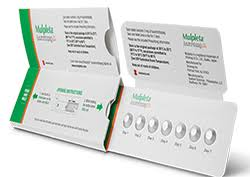
In terms of side effects, clinical observations have found that the most common adverse reactions of Rutrombopag include headache, fatigue, diarrhea and nausea. These symptoms are usually mild to moderate, tolerable and can be relieved with drug discontinuation or dose adjustment. Some patients may experience slight increases in liver function indicators. Therefore, in patients with chronic liver disease, liver function, platelet count and routine blood indicators need to be monitored regularly during drug use. In rare cases, allergic reactions, such as rash, itching, or respiratory symptoms, may occur. If such a situation occurs, discontinue medication and seek medical attention immediately.
In terms of precautions for use, Rutrombopag should be taken orally in strict accordance with the doctor's instructions and avoid increasing or decreasing the dose on your own. It is usually started a few days before the planned invasive operation and continues until the safe platelet level for the operation is reached. Long-term continuous use of high doses is not recommended. Patients should avoid concurrent use with other drugs that may affect platelet production to prevent excessive platelet levels or additive drug effects. At the same time, pregnant and lactating women need to consult a doctor to assess potential risks before use.
In terms of drug management, Rutrombopag should be stored in a dry, dark, and cool place away from children. Patients should regularly review their platelet count and related laboratory indicators during use, and adjust the treatment course length and dosage according to platelet elevation. For patients with high risk of thrombosis, anticoagulation or monitoring programs can be combined for safe management to minimize the occurrence of adverse events.
In clinical practice, Rutrombopag can be used in combination with other supportive treatments to improve platelet recovery and ensure surgical safety. For example, for patients with chronic liver disease and thrombocytopenia, comprehensive management combined with maintenance of nutrition, monitoring of liver function, and prevention of bleeding can optimize clinical effects based on drug effects. The doctor will develop an individualized treatment plan based on the patient's age, liver function grade, underlying diseases, and previous treatments.
In summary, Lusutrombopag (Lusutrombopag), as an important treatment for thrombocytopenia in chronic liver disease, has the effect of significantly increasing platelets and reducing the risk of bleeding. But at the same time, its potential thrombotic risks, side effects and impact on liver function cannot be ignored. Through reasonable dosage, scientific monitoring and individualized medication strategies, patient safety can be ensured to the greatest extent while ensuring efficacy, and reliable support can be provided for patients with thrombocytopenia during surgery or invasive procedures.
Keyword tags: Rutrombopag, thrombocytopenia, chronic liver disease, preparation before surgery, oral drugs
Reference materials:https://en.wikipedia.org/wiki/Lusutrombopag
[ 免责声明 ] 本页面内容来自公开渠道(如FDA官网、Drugs官网、原研药厂官网等),仅供持有医疗专业资质的人员用于医学药学研究参考,不构成任何治疗建议或药品推荐。所涉药品可能未在中国大陆获批上市,不适用于中国境内销售和使用。如需治疗,请咨询正规医疗机构。本站不提供药品销售或代购服务。


