
.jpeg)
Etrasimod tablets (Etrasimod)-Velsipity pharmacological mechanism and clinical application overview
Etrasimod-Velsipity is a new type of selective S1P receptor modulator, which mainly affects the distribution and migration of lymphocytes in the immune system. Its pharmacological mechanism is based on the highly selective regulation of S1P1 receptors, which induces the temporary "trapping" of T lymphocytes in peripheral blood, reducing their infiltration into inflammatory sites, thereby reducing local inflammatory responses. This mechanism can not only control excessive immune activation, but also preserve the body's overall immune defense capability to the maximum extent, so it has unique advantages in autoimmune diseases. Compared with traditional immunosuppressants, itridimod has a more targeted effect, lower risk of side effects, and is suitable for long-term treatment.
In terms of clinical application, itrimod is mainly used for the treatment of ulcerative colitis (UC) and other inflammatory bowel diseases. Multiple clinical trials have shown that the drug can effectively relieve patients' symptoms of intestinal inflammation and improve symptoms such as bloody stools, diarrhea and abdominal pain. Especially among patients with moderate to severe UC, after 8 to 12 weeks of oral treatment, most patients achieve clinical remission and mucosal healing. The chronic medication properties of itrimod make it suitable for maintenance treatment, which can reduce the recurrence rate while improving the patient's quality of life.
Itramod is administered as an oral tablet, usually once daily, and the dose is individualized based on patient weight and disease severity. The drug is well absorbed in the intestine and excreted through bile and feces after liver metabolism. The blood drug concentration is relatively stable. Since its mechanism of action relies on the selective regulation of S1P1 receptors, the maintenance of efficacy requires continuous administration. Therefore, it is not recommended to stop the drug at will to avoid recurrence of inflammation or aggravation of symptoms. Clinicians will adjust the dose based on patient response and tolerance, and monitor efficacy in combination with regular colonoscopies and inflammatory markers.
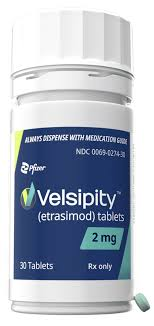
In terms of drug safety, itrimod is generally well tolerated. Common adverse reactions include mild headache, upper respiratory tract infection, diarrhea and slight increase in blood pressure, most of which are self-limiting symptoms. Serious adverse reactions are rare, but attention still needs to be paid to the potential risks of cardiovascular events and abnormal liver function. Particularly in patients with preexisting cardiac arrhythmias or hepatic impairment, evaluation should be performed prior to administration and close monitoring during treatment. Compared with traditional systemic immunosuppressants, itrimod has less inhibitory effect on the blood system and is more suitable for long-term maintenance treatment.
The application performance of Itramod in different patient groups also varies. Clinical data show significant efficacy in patients with early-stage disease or moderate to severe disease who have failed to respond to standard treatments, while in long-term chronic patients it can be used to maintain remission and reduce the risk of relapse. The targeting characteristics of the drug also make it possible to use it in combination therapy. For example, combined use with 5-aminosalicylic acid preparations or biological agents can reduce the dosage and side effects of systemic immunosuppressants while ensuring efficacy.
In terms of drug management and follow-up, blood pressure, heart rate, liver function and blood routine indicators need to be regularly assessed during treatment with itrimod, so that potential problems can be discovered in a timely manner and dosage adjustments can be made. Patients should be careful not to stop the medication suddenly or adjust the dosage on their own during medication to avoid rebound inflammation. Doctors will also combine colonoscopy, fecal occult blood and inflammatory biomarkers to comprehensively evaluate the efficacy and guide the optimization of treatment strategies.
Currently, itridimod, as an oral small molecule drug, provides patients with a non-biological, highly targeted, and long-term tolerable treatment option. In clinical practice, it can effectively control the symptoms of active phase of ulcerative colitis, and plays an important role in the maintenance phase, reducing the recurrence rate and improving the quality of life of patients. In the future, with the accumulation of more clinical data, the application potential of itrimod in inflammatory bowel disease and related autoimmune diseases will be further expanded.
In summary, Etrasimod tablets (Etrasimod)-Velsipity selectively regulates the S1P1 receptor to reduce the infiltration of inflammatory lymphocytes into the intestine, thereby controlling immune-mediated inflammatory responses. Its oral administration, good tolerability, and long-term maintenance of efficacy make it an important treatment option for ulcerative colitis and related autoimmune diseases. Through individualized medication, regular monitoring and scientific management, itramod can achieve clinical remission and long-term maintenance treatment goals while ensuring safety, and provide patients with a stable disease management plan.
Keyword tags: itridimod, ulcerative colitis, S1PReceptor modulator, oral treatment, efficacy
Reference materials:https://pubmed.ncbi.nlm.nih.gov/38388871/
[ 免责声明 ] 本页面内容来自公开渠道(如FDA官网、Drugs官网、原研药厂官网等),仅供持有医疗专业资质的人员用于医学药学研究参考,不构成任何治疗建议或药品推荐。所涉药品可能未在中国大陆获批上市,不适用于中国境内销售和使用。如需治疗,请咨询正规医疗机构。本站不提供药品销售或代购服务。


