
.jpeg)
Analysis of the main functions of Letermovir (Premin) and its application in preventing infection after transplantation
Letermovir (Letermovir) is a new antiviral drug mainly used to prevent cytomegalovirus (CMV) infection in patients undergoing hematopoietic stem cell transplantation (HSCT). CMVInfection has a high incidence in transplant patients and may lead to increased transplant-related complications and mortality. Therefore, preventive medication is of great significance in clinical management. Letermovir blocks viral replication and assembly by selectively inhibiting the envelope protein UL56 of CMV. It has strong specificity and is almost non-toxic. Affects the host cell's DNA or RNA synthesis, making it safer than traditional antiviral drugs such as ganciclovir or cidofovir.
Clinical studies have shown that letermovir can significantly reduce the incidence of CMV infection and disease. Among HSCT patients, especially HLA non-completely matched or high-risk patient groups, after receiving letermovir prophylaxis, the infection rate dropped significantly and the need for antiviral treatment was reduced. Letermovir carries a lower risk of nephrotoxicity and myelosuppression than traditional drugs, making it more suitable for long-term preventive use. Usually, letermovir is administered by oral or intravenous infusion starting on the 28th day after transplantation, and the treatment course usually lasts for 100 days to cover the high-risk period for CMV infection.
When using letermovir, you need to pay attention to the drug dosage and administration method. Oral and intravenous dosages are different and need to be adjusted based on the patient's clinical condition, liver and kidney function, and drug interactions. Letermovir is mainly metabolized by CYP3A, so the combined use of strong CYP3A inhibitors or inducers may significantly affect plasma concentrations, requiring dose adjustment or monitoring of efficacy. At the same time, patients should use it under the guidance of professional doctors and regularly test CMV viral load and liver function indicators to ensure efficacy and avoid potential toxicity.
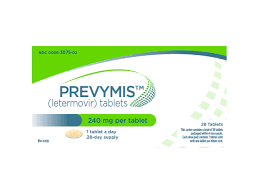
In clinical applications, letermovir is not only used to prevent, but also assists in the management of recurrent infections in some high-risk patients. For patients at high risk for post-transplantation CMV such as those with impaired T cell receptor function or those taking immunosuppressants, letermovir can significantly reduce the risk of infection and improve survival. In addition, long-term follow-up shows that the drug has less impact on cardiovascular and renal functions, is highly safe to use, and is suitable for preventive treatment in the early to mid-term after transplantation.
The safety advantage of letermovir is also reflected in the relatively mild adverse reactions. Common adverse reactions include mild nausea, diarrhea, and headache, which are generally tolerated and serious side effects are rare. Compared with drugs such as ganciclovir, letermovir hardly causes bone marrow suppression and renal function damage, which is particularly important for bone marrow transplant patients, because these patients are inherently at risk for insufficient blood cell production and unstable renal function.
In terms of usage strategy, letermovir can be used in combination with conventional immunosuppression regimens and infection monitoring strategies. For example, while using immunosuppressants to prevent and treat graft-versus-host disease (GVHD), using letermovir to prevent CMV infection can effectively reduce the incidence of complications and improve the success rate of transplantation. Clinical practice shows that this combined strategy can reduce infection-related hospitalization rates and treatment burden while ensuring immune regulation.
Additionally, medication management and patient education with letermovir are critical. Patients should strictly abide by medical instructions during use, take medication or infusion on time, and avoid missing doses or stopping medication at will. Medications need to be protected from light and stored at low temperatures, and oral liquids must be used within a short period of time after opening. Family members and caregivers should be familiar with the drug characteristics and potential adverse reactions, and regularly monitor hematological indicators and viral load so that the medication regimen can be adjusted in a timely manner.
In general, letermovir has significant efficacy and high safety as a preventive drug for HSCT patientsCMV infection. Its specific mechanism of action, low toxicity and good tolerance make it one of the first choices for clinical prevention of CMV infection. Through reasonable dosage, scientific administration and strict follow-up, the risk of CMV infection can be significantly reduced while improving the survival rate and quality of life of transplant patients, providing a reliable guarantee for the management of infection after hematopoietic stem cell transplantation.
Keyword tags: Letermovir, CMVPrevention, hematopoietic stem cell transplantation, anti-virus, safety
Reference:https://en.wikipedia.org/wiki/Letermovir
[ 免责声明 ] 本页面内容来自公开渠道(如FDA官网、Drugs官网、原研药厂官网等),仅供持有医疗专业资质的人员用于医学药学研究参考,不构成任何治疗建议或药品推荐。所涉药品可能未在中国大陆获批上市,不适用于中国境内销售和使用。如需治疗,请咨询正规医疗机构。本站不提供药品销售或代购服务。


